Based on what I've read, observed, discussed with folks in Australia who keep them in captivity (indoor & outdoor enclosures vary on substrate), and what I've learned about some animals' behaviors:
In the wild, they live on sand, but it's sand in a technical soil engineering sense—not like beach sand, and AFAIK, they dig only to make a hide or lay. If they can easily find a hide in rocks, there's no reason for them
to dig (except a gravid female, and that can be accomplished via a lay box).
Speaking of lay boxes, aren't those usually supposed to consist of moist granular sand? Not at all like the dry fine dusty sand in the Outback. I've often wondered about that inconsistency.
In captivity (particularly indoor enclosures), they may be digging out of stress, boredom, anxiety, frustration, etc. Those are likely the same factors that cause some to ingest particulate substrates.
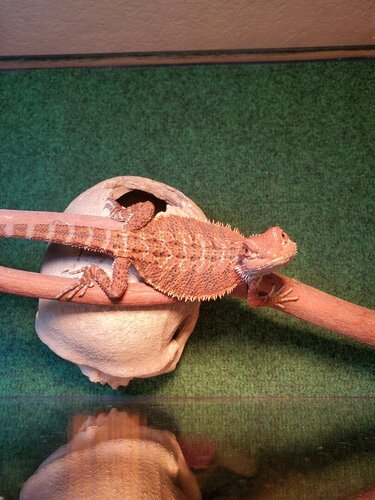
Mine hasn't tried—or as far as I can tell, wanted—to dig since I've had him (Early Nov. '19). He doesn't scratch at the floor at all. He has plenty of hides among the bricks & stones in his enclosure.
He's pulled exactly one plant out (out of 20 or so) by pulling from the top—not digging it out.
It may also depend somewhat on what they have available to keep their claws maintained. On a substrate of rough slate, I've never had to trim.
Yeah, I've heard some zoos keep them on particulates too, but I don't know if they're talking about your typical 4x2x2, or something more "zoo-sized", and zoos provide plenty of natural hides AFAIK, and have vets on-staff or on-call.
It's up to each of us that keep them. I'm a "better safe than sorry" guy. YMMV, agree to disagree & all that.