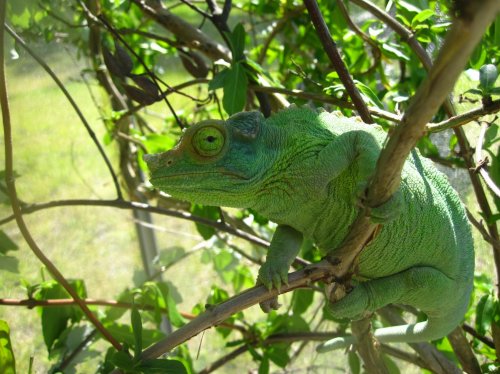
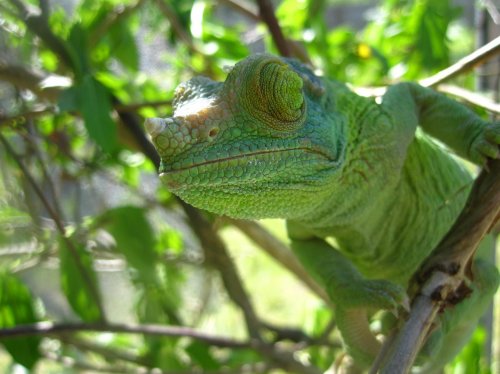
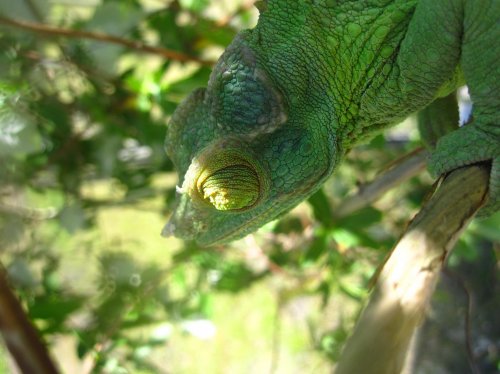
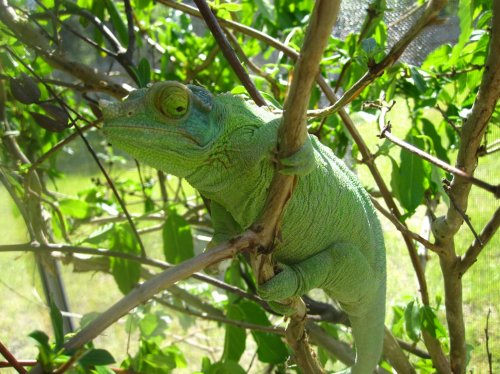
about stella my 2c worth pt2
also taken from wiki under creative commons license credits given at site of original articles.
what i am about to post echos what i have said time and time again in my posts, imo its something that most vets are very poor at communicating or may not even understand themselves, and this applies not only to bacterial infections but other eye problems, tongue problems, problems with impaction, falling or balance. everybody tends to view these thing as isolated , singularly caused maladies, when in fact they are related to overall metabolism in a very complicated way.
every body wants a miracle cure in a bottle to cure their problem, when imo, more often than not, its over use of manufactured products that usually cause the metabolic imbalance that led to the issue in the first place. as imo, metabolically healthy chams rarely fall, get eye or tongue infections or get impacted. imo, these are all warning signs of greater underlying problems . ie it does little good to treat the symptoms, unless you treat the metabolic issues that caused them.
Pathology
Because of
Aeromonas hydrophila’s structure, it is very toxic to many organisms. When it enters the body of its victim, it travels through the bloodstream to the first available organ. It produces
Aerolysin Cytotoxic Enterotoxin (ACT), a toxin that can cause tissue damage.
Aeromonas hydrophila, Aeromonas caviae, and
Aeromonas sobria are all considered to be opportunistic pathogens, meaning they rarely infect healthy individuals.
Aeromonas hydrophila is widely considered a major fish and amphibian pathogen
[1],
apoptosis is a form of selective cell death but i think in this case, ACT, is a bigger risk because it can onset osmotic lysis (organ perforation. see,- not just an eye issue, ITS NEVER JUST AN EYE ISSUE, IMO, THERE IS NO SUCH THING AS "JUST AN EYE ISSUE"). repeat; "RARELY INFECT HEALTHY INDIVIDUALS.", meaning if you want to cure your animal long term you will need to get to the root cause of the metabolic imbalance that lowered his immunity to the point were he was susceptible to this infection. probably wouldnt hurt to post your help form and do a review of your diet/supp regimen as well as cage hygienic practices.
ADP-ribosylation toxin is one of the effector molecules secreted by several pathogenic bacteria and translocated through TTSS
( type 3 secretion system) and delivered into the host cytoplasm leads to interruption of NF-κB pathway, cytoskeletal damage and apoptosis. This toxin has been characterized in
Aeromonas hydrophila (human diarrhoeal isolate), imo,
this suggests that transmission was fecal in nature, this is why i mention cage cleanliness. in the aeromonas scenario, apoptosis is onset by the ADP toxin, there are times when apotosis is desireable (such as cancer and fetal formation), but this aint cancer and i dont think it would be one of them. still i view osmotic lysis, onset by ACT toxin the bigger more threatening issue. jmo
Occurrence of exposure
Aeromonas hydrophila infections occur most during environmental changes,
stressors, change in the temperature, in contaminated environments, and when an organism is already infected with a virus or another bacterium. It can also be ingested through food products that have already been infected with the bacterium, such as seafood, meats, and even certain vegetables such as sprouts.
imo, this implies that already stressed at the time of infection which is what allowed it to occur in the first place. imo, you probably already had metabolic issues at hand and your recent move/road trip may have provided enough stress to trigger the event. this is what i have said time and time again. metabollically healthy animals dont fall, they dont have tongue problems, and they dont get bacterial eye infections. fix the conditions that created this problem and the animal will be much easier to treat and much less likely to re-infect. fail to correct the problems that caused it and it will likely return and next time it wont be as easy as a cipro script.
Human diseases
Aeromonas hydrophila is not as pathogenic to humans as it is to fish and amphibians. One of the diseases it can cause in humans is gastroenteritis. This disease can affect anyone, but it occurs most in young children and people who have compromised immune systems or growth problems. This bacterium is linked to two types of gastroenteritis. The first type is a disease similar to
cholera, which causes rice-water diarrhea. The other type of disease is dysenteric gastroenteritis, which causes loose
stools filled with blood and mucus. Dysenteric gastroenteritis is the most severe out of the two types, and can last for multiple weeks.
Aeromonas hydrophila is also associated with
cellulitis, an infection that causes inflammation in the skin tissue. It also causes diseases such as myonecrosis and eczema in people with compromised immune systems.
so, not likely dangerous in humans, but a little common sense would be a good idea, wear gloves when handling your animal and all equip and disinfect afterwards, be careful not to put your hands to your face. so, it is possible to get it and if you do they are going to treat you with you guessed it, cipro lol. ( i just finished personally taking cipro lol). imo, i would disinfect your cage every other day during the treatment process or you risk the animal reinfecting itself, also if your animal does reinfect itself, its not likely that cipro would be effective for a second regimen so treartment becomes more complicated ie follow regimen to the letter, so it doesnt turn into a worse problem. i would be alert for cham skin issues during this time, also, if you get the runs, tell your dr (not xanthoman lol)
Aeromonas hydrophila can be eliminated using one percent
sodium hypochlorite solution and two percent
calcium hypochlorite solution.
Antibiotic agents such as
chloramphenicol,
florenicol,
tetracycline,
sulfonamide, nitrofuran derivatives, and
pyrodinecarboxylic acids are used to eliminate and control the infection of
Aeromonas hydrophila.
Terramycin is placed in fish food during hatchery operations as another
chemotherapeutic agent in preventing
Aeromonas hydrophila.
imo, this implies that bleach alone may not be sufficient, if you are limited to just bleach, i would use household Na0CI;h20 1;5 let sit 20 min (animal out of cage of course). spray, rinse well, dry thoroughly. it would be a great time to get the animal some outside sun if weather permits, if its a xanth you are easily good down to 50*f. if you have a spare cage that would be good too, just change cages every day and wash the other one. outside sun still recommended. also, if you do outside sun, be sure to adjust D3 offering accordingly. now if you'll excuse me, i have got some SFE (SupercriticalFluidExtraction to do. lol). feel free to repost or pm if you think i can be of any help. jmo
edit; ps i know you dont want to hear this, but imo, if you have any live plants (as you should) i would xcan them until the treatment process is over and start fresh using my previously posted soil sanitiztion /soiless conversion procedure. when i posted this procedure, everybody thought i was nuts, this is the exact type of scenario, the procedure was designed to prevent. jmo.




 Thanks!
 awwww you guys....

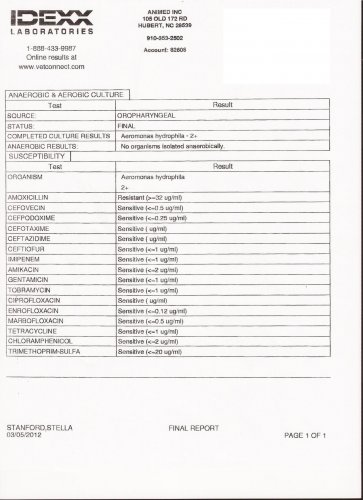
 ) recieved the results on the culture. She indeed has an infection.