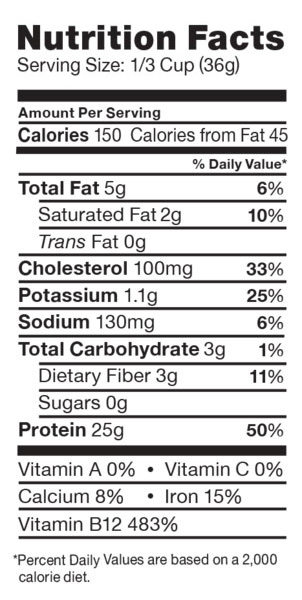
Jeremy, the table you posted was 100% for a kale salad. It's from the fitbit app, where users enter nutritional data from the back of packages and stuff to track their diet. Someone was eating a kale salad, and made a typo when entering it into their phone, resulting in the autocorrect changing it to katydid.
If I can bring this back on-topic, this is why it is important to have quality sources, and I would argue why it is important to update this chart. For a long time, it was being uncritically passed around that roaches were some kind of healthy staple, when they aren't even significantly nutritionally different from a superworm, which was relegated to a lower tier, despite their similarities, both nutritionally and as nocturnal, burrowing insects.
Here are some more charts, from peer-reviewed sources:
Flap-necked chameleon - almost 70% grasshoppers by volume!
View attachment 338304
This one was from the invasive Oustalet's population in Florida - I don't think invasive populations should be our guide, but interesting results, nonetheless. You can tell this one was from earlier in the year, where grasshopper populations are lower and the caterpillars haven't matured yet.
View attachment 338305





 I guess my point is that just because it's edible, doesn't make it good in the long run, especially as a staple. Chameleons appear to have a uniquely lean diet in the wild, and I think following that, to the best of our abilities, would be best practices to achieve optimal health and longevity in captivity. But of course variety helps too!


