come on people lets see it, I want lists and more lists about anything from bugs and roaches and oranges and pathos! I would like to have one of the largest list to refer so that when I think my cams getting bored of her food, me and everyone else can look back on this post and see EVERYTHING ANYBODY HAS EVER FED THEIR CHAMS!

Navigation
Install the app
How to install the app on iOS
Follow along with the video below to see how to install our site as a web app on your home screen.
Note: This feature may not be available in some browsers.
More options
You are using an out of date browser. It may not display this or other websites correctly.
You should upgrade or use an alternative browser.
You should upgrade or use an alternative browser.
I Want You To Post Everything You have Ever fed yours Chams!
- Thread starter Tripp
- Start date

SocialNumb
Established Member
Some stuff I keep on a text document found here at the forum blogs.
https://www.chameleonforums.com/threads/gutloads-and-feeder-stuff.140864/
The "wet" portion of the gutload, which should be your principle gutload, can includes things like (switch it up with a different couple of items every other week): dandelion leaves, squash (butternut, spaghetti), hibiscus leaves and flowers, grape leaves, orange, papaya, carrot, alfalfa sprouts, mustard greens, romaine, spearmint leaves, arugula (rocket), basil, apple, mulberries , clover, garland Chrysanthemum, chickweed, cilantro, okra, a few blueberries, small amounts of raspberries, very small amounts of cooked quinoa, peas, sunflower sprouts, small pieces of steamed (then cooled) yam, leek bulb, Fuki, ... Fruits and veggies such as these are important both for the nutrients they give (via the insect) to your chameleon, and also because well hydrated prey results in a better hydrated chameleon.
The dry portion (the lesser portion) of a gutload can include (blend/grind fine with a coffee grinder or food processor): spirulina; dried seaweed/kelp/dulse; bee pollen; dried alfalfa; organic raw sunflower seeds; sesame seeds; flax seed; hemp seed; poppy seeds; fennel seed, dehydrated cranberry powder; beet powder; zucchini powder; dried Mulberries; fig powder; ground dried hibiscus; ground almonds; small amounts of ground brazil nuts; small amounts of ground/chopped beechnuts; small occassional pieces of oak leaves; small amounts of kale powder; small amounts of quality whole grain breakfast cereal (especially fortified, like GM whole gran Total); barley /oats / cracked rye /wheat germ / stabalized rice bran; small amounts of quality monkey, avian or ignuana food (read the ingredients, be cautious of too much Vitamin A or animal fat).
Limit your use of grains and other items higher in phosphorous than calcium (a little can be very good, a lot is not unless you compensate to fix the ratio). Good grain choices are stabalized rice bran and crushed whole barley.
Limit use of broccoli, beans (phytic acid), cabbage, bok choy, beet leaves, parsley, cassava, watercress, kale, collard greens, spinach, swiss chard, Soy/edamame , bran, buckwheat, almonds, rhubarb, sesame seeds, pine nuts, apricot, figs, kiwi, asparagus (anything high in phytates/Phytic acid, Oxilates/ Oxalic Acid, Goitrogens). Some is fine, possibly beneficial. Just not as a regular item.
Avoid dog food, cat food, fish food, and other prepared foods that are heavy sources of animal protien and/or fat and may provide excessive preformed vitamin A and also D (a little now and then is okay, but too much can lead to gout and other issues). Similarily avoid/limit milk, meat, eggs, etc.
Gutloaded insects should be the primary diet for your veiled chameleon, but they sometimes also enjoy directly eating vegetables, flowers, and small amounts of fruit.
pieces of leafy greens
https://www.chameleonforums.com/threads/gutloads-and-feeder-stuff.140864/
The "wet" portion of the gutload, which should be your principle gutload, can includes things like (switch it up with a different couple of items every other week): dandelion leaves, squash (butternut, spaghetti), hibiscus leaves and flowers, grape leaves, orange, papaya, carrot, alfalfa sprouts, mustard greens, romaine, spearmint leaves, arugula (rocket), basil, apple, mulberries , clover, garland Chrysanthemum, chickweed, cilantro, okra, a few blueberries, small amounts of raspberries, very small amounts of cooked quinoa, peas, sunflower sprouts, small pieces of steamed (then cooled) yam, leek bulb, Fuki, ... Fruits and veggies such as these are important both for the nutrients they give (via the insect) to your chameleon, and also because well hydrated prey results in a better hydrated chameleon.
The dry portion (the lesser portion) of a gutload can include (blend/grind fine with a coffee grinder or food processor): spirulina; dried seaweed/kelp/dulse; bee pollen; dried alfalfa; organic raw sunflower seeds; sesame seeds; flax seed; hemp seed; poppy seeds; fennel seed, dehydrated cranberry powder; beet powder; zucchini powder; dried Mulberries; fig powder; ground dried hibiscus; ground almonds; small amounts of ground brazil nuts; small amounts of ground/chopped beechnuts; small occassional pieces of oak leaves; small amounts of kale powder; small amounts of quality whole grain breakfast cereal (especially fortified, like GM whole gran Total); barley /oats / cracked rye /wheat germ / stabalized rice bran; small amounts of quality monkey, avian or ignuana food (read the ingredients, be cautious of too much Vitamin A or animal fat).
Limit your use of grains and other items higher in phosphorous than calcium (a little can be very good, a lot is not unless you compensate to fix the ratio). Good grain choices are stabalized rice bran and crushed whole barley.
Limit use of broccoli, beans (phytic acid), cabbage, bok choy, beet leaves, parsley, cassava, watercress, kale, collard greens, spinach, swiss chard, Soy/edamame , bran, buckwheat, almonds, rhubarb, sesame seeds, pine nuts, apricot, figs, kiwi, asparagus (anything high in phytates/Phytic acid, Oxilates/ Oxalic Acid, Goitrogens). Some is fine, possibly beneficial. Just not as a regular item.
Avoid dog food, cat food, fish food, and other prepared foods that are heavy sources of animal protien and/or fat and may provide excessive preformed vitamin A and also D (a little now and then is okay, but too much can lead to gout and other issues). Similarily avoid/limit milk, meat, eggs, etc.
Gutloaded insects should be the primary diet for your veiled chameleon, but they sometimes also enjoy directly eating vegetables, flowers, and small amounts of fruit.
pieces of leafy greens
- romaine
- kale (not daily - some is great, but a lot may not be)
- collards (not daily - some is good, but a lot may not be)
- hibiscus leaves
- dandelion
- endive
- basil
- mint
- cilantro
- mustard greens
- arugula /rocket
- clover (not daily - some is good, but a lot may not be)
- endive
- sprouting alfalfa
- baby's tears (Soleirolia soleirolii)
- oregano
- spider plant (Chlorophytum comosum)
- shaved/shredded pieces of carrot
- small pieces of steamed (and cooled) squash
- small pieces of steamed (and cooled) sweet potatoes
- small pieces of steamed (and cooled) yam
- zucchini
- pumpkin /squash flowers and leaves
- hibiscus - leaves and flowers
- nasturtium blossoms
- arugula flowers
- jasmine flower
- okra flower
- pansy flower petals and leaves
- coneflower Echinacea (not rudbeckia)
- Campanula / Rampion / Harebell / Canterbury Bells - leaves and flowers
- aster / michaelmas daisy - leaves and flowers
- Antirrhinum /snap dragon - leaves and flowers
- thin slices of mango flesh
- bits of papaya
- half a seedless grape
- blueberry
- thin slice of apple
- a piece of pear small enough to fit into the mouth
- thin small pieces of organic sweet red peppers (of the non-organic foods that have pesticides on them, these are one of the worse - it goes right through the thin skin and into the flesh - so use organic)
Check out the blogs for more.

jannb
Chameleon Enthusiast


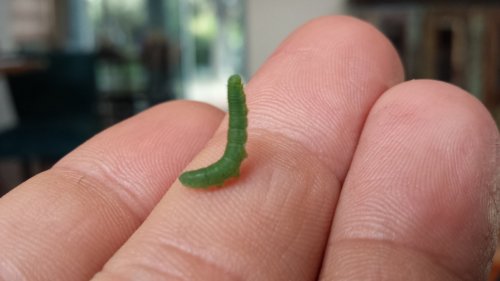
Fruit flies (both kinds)
Houseflies
Bluebottle flies
Hornworm moths
Silkworm moths
Luna moths
Various moths caught outside
Butterflies (painted lady)
Katydids
Stick bugs (different varieties)
Praying mantis (different varieties)
Phoenix worms
Butterworms
Superworms
Hornworms
Silkworms
Crickets
Grasshoppers
Roaches (various kinds)
Various greens
Various fruits
Various vegetables
Houseflies
Bluebottle flies
Hornworm moths
Silkworm moths
Luna moths
Various moths caught outside
Butterflies (painted lady)
Katydids
Stick bugs (different varieties)
Praying mantis (different varieties)
Phoenix worms
Butterworms
Superworms
Hornworms
Silkworms
Crickets
Grasshoppers
Roaches (various kinds)
Various greens
Various fruits
Various vegetables


MissLissa
Avid Member
Things I Fed On Purpose:
Flightless fruit flies (as a baby)
Bluebottle maggots and flies
Isopods (various species)
Crickets
Superworms
Mealworms (less than once monthly, 2-3 at a a time)
Silkworms and moths
Waxworms and moths
Hornworms
Butterworms
Black Soldier Fly Larvae and adult Flies (aka phoenix worms and flies)
Indian Stick Insects
Mantids (various species)
Roaches (various species)
Repashy Grub Pie (trial only)
Zoo Med Canned Crickets (trial only)
Zoo Med Canned Silkworms (trial only)
Zoo Med Canned Locusts (trial only)
Chopped hard boiled egg (trial only because I was curious. Conclusion: Vladislav eats anything)
Things He Has Eaten That I Did Not Intend For Him To:
House Flies
Superworm beetles, occasionally they "appear" from his plant pots
Paper wasps (from having him out on my balcony)
Unidentified giant water-beetle thing? (another "what will Vladislav eat today" balcony adventure)
A small fluttery piece of paper that he grabbed and ate before I could remove it
Bark from one of his perches, which is now removed
Dried leaves from his pothos plant when they fluttered in a cross breeze
Things he attempted to eat but was not successful:
Giant river stone bigger than his head
Flightless fruit flies (as a baby)
Bluebottle maggots and flies
Isopods (various species)
Crickets
Superworms
Mealworms (less than once monthly, 2-3 at a a time)
Silkworms and moths
Waxworms and moths
Hornworms
Butterworms
Black Soldier Fly Larvae and adult Flies (aka phoenix worms and flies)
Indian Stick Insects
Mantids (various species)
Roaches (various species)
Repashy Grub Pie (trial only)
Zoo Med Canned Crickets (trial only)
Zoo Med Canned Silkworms (trial only)
Zoo Med Canned Locusts (trial only)
Chopped hard boiled egg (trial only because I was curious. Conclusion: Vladislav eats anything)
Things He Has Eaten That I Did Not Intend For Him To:
House Flies
Superworm beetles, occasionally they "appear" from his plant pots
Paper wasps (from having him out on my balcony)
Unidentified giant water-beetle thing? (another "what will Vladislav eat today" balcony adventure)
A small fluttery piece of paper that he grabbed and ate before I could remove it
Bark from one of his perches, which is now removed
Dried leaves from his pothos plant when they fluttered in a cross breeze
Things he attempted to eat but was not successful:
Giant river stone bigger than his head

Mikesyring
Member
I gave my guy some romain yesterday and he deviored it 
MissLissa
Avid Member
I gave my guy some romain yesterday and he deviored it
Your Panther?? Mojo, isn't it? I haven't given Vladislav vegetable matter, since that's more of a Veiled thing. I'm sure he'd eat it, though

Mikesyring
Member
Yeah my Panther magoo yeah he eats his porthos plant every once in awhile and my breeder said alittle veg is good so put some romain in and he sucked it down just alittle treat that followed by a butter worm

BrendenBilodeau
Member
why not feed him super worm beetles? just curiousThings I Fed On Purpose:
Flightless fruit flies (as a baby)
Bluebottle maggots and flies
Isopods (various species)
Crickets
Superworms
Mealworms (less than once monthly, 2-3 at a a time)
Silkworms and moths
Waxworms and moths
Hornworms
Butterworms
Black Soldier Fly Larvae and adult Flies (aka phoenix worms and flies)
Indian Stick Insects
Mantids (various species)
Roaches (various species)
Repashy Grub Pie (trial only)
Zoo Med Canned Crickets (trial only)
Zoo Med Canned Silkworms (trial only)
Zoo Med Canned Locusts (trial only)
Chopped hard boiled egg (trial only because I was curious. Conclusion: Vladislav eats anything)
Things He Has Eaten That I Did Not Intend For Him To:
House Flies
Superworm beetles, occasionally they "appear" from his plant pots
Paper wasps (from having him out on my balcony)
Unidentified giant water-beetle thing? (another "what will Vladislav eat today" balcony adventure)
A small fluttery piece of paper that he grabbed and ate before I could remove it
Bark from one of his perches, which is now removed
Dried leaves from his pothos plant when they fluttered in a cross breeze
Things he attempted to eat but was not successful:
Giant river stone bigger than his head

Kaylaaabrown
Member
I let my 4 month veiled roam last week while we moved her cage and she tried to go after a jumping spider that appeared on the wall. It was definitely bigger than her head! Scared the bageesus out of me because she practically flew up our indoor tree to try and get it.
Any of your chams ate a spider before? We get daddy Long legs pretty often in our house and was curious if it is okay for her to eat.
So far the only things we've fed her are crickets, wax worms, mealworms and kale. Still trying out a variety of options. I'd love to try some roaches soon!
Any of your chams ate a spider before? We get daddy Long legs pretty often in our house and was curious if it is okay for her to eat.
So far the only things we've fed her are crickets, wax worms, mealworms and kale. Still trying out a variety of options. I'd love to try some roaches soon!
Kaylaaabrown
Member
Roaches for Inara of course, not myselfI let my 4 month veiled roam last week while we moved her cage and she tried to go after a jumping spider that appeared on the wall. It was definitely bigger than her head! Scared the bageesus out of me because she practically flew up our indoor tree to try and get it.
Any of your chams ate a spider before? We get daddy Long legs pretty often in our house and was curious if it is okay for her to eat.
So far the only things we've fed her are crickets, wax worms, mealworms and kale. Still trying out a variety of options. I'd love to try some roaches soon!
Thank you everybody for sharing your experiences with us all! I'm not the only one who benefitted out of this was I?
I have a question for everybody. My 4-5 month old female veiled doesn't seem very interested in anything unless it moving. I have been trying new foods all the time including ; carrot, Apple, and various greens. But she is not interested when it is in her food dish.
Anybody had any experience with something like this?
I have a question for everybody. My 4-5 month old female veiled doesn't seem very interested in anything unless it moving. I have been trying new foods all the time including ; carrot, Apple, and various greens. But she is not interested when it is in her food dish.
Anybody had any experience with something like this?
MissLissa
Avid Member
why not feed him super worm beetles? just curious
They're gross lol Also they are pretty well armoured and I worry about that hard shell hurting his mouth.

Gwendalyn.brock
Established Member
My little one has this issue as well but after a while she eats it because she eats the crickets fast then wants a snack in the afternoon. I think its a matter of recognizing it as good at first, since many chameleons prefer to hunt moving food. Which is probably why she wasn't very interested in calciworms at first, they barely move.Thank you everybody for sharing your experiences with us all! I'm not the only one who benefitted out of this was I?
I have a question for everybody. My 4-5 month old female veiled doesn't seem very interested in anything unless it moving. I have been trying new foods all the time including ; carrot, Apple, and various greens. But she is not interested when it is in her food dish.
Anybody had any experience with something like this?


jannb
Chameleon Enthusiast
Your Panther?? Mojo, isn't it? I haven't given Vladislav vegetable matter, since that's more of a Veiled thing. I'm sure he'd eat it, though
I've had panthers that like fruits and veggies just as much as my veileds.
Similar threads


- Replies
- 2
- Views
- 1K