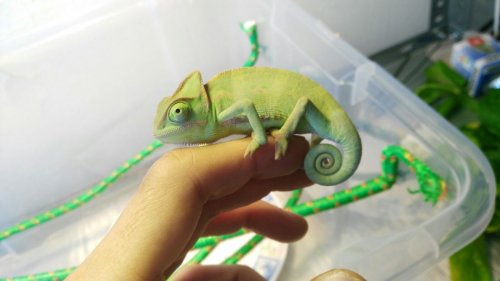
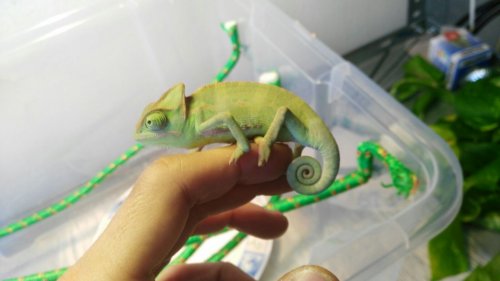
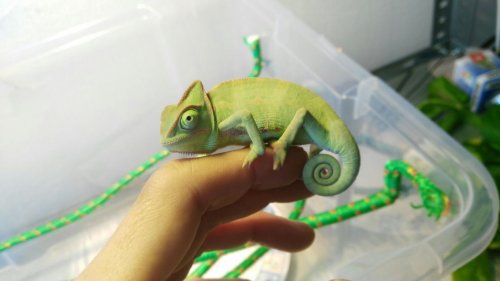
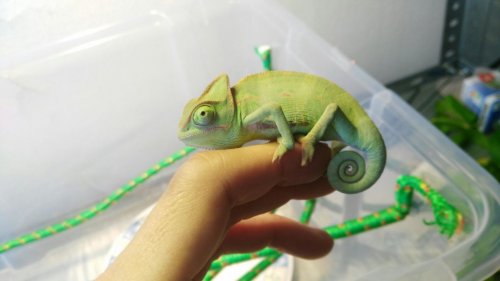
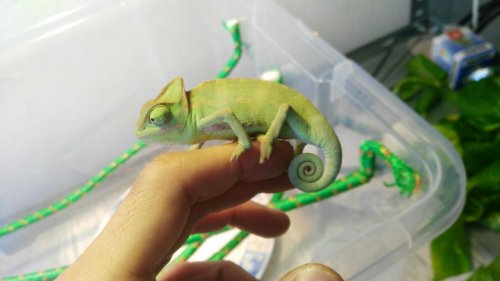
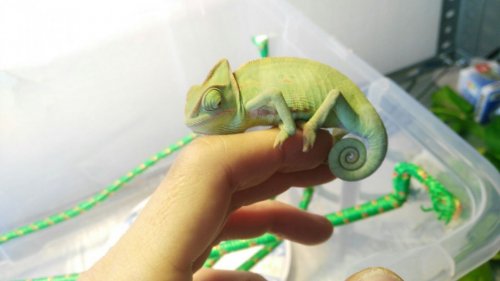
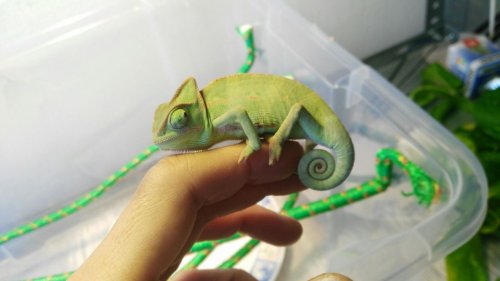
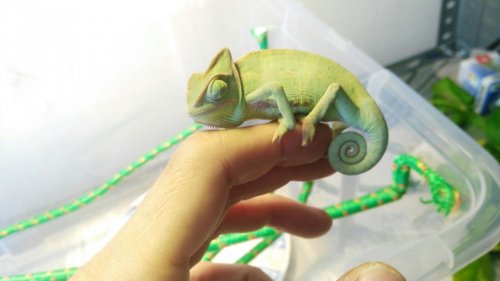
cham veiled: sunken eyes?

keroledise

New Member
Hi, i'm from Malaga and for me is difficult write in english, but in spain the people don't know anything about chameleons

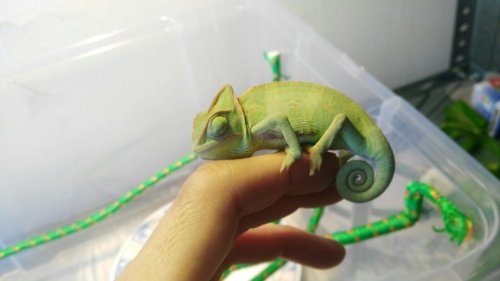
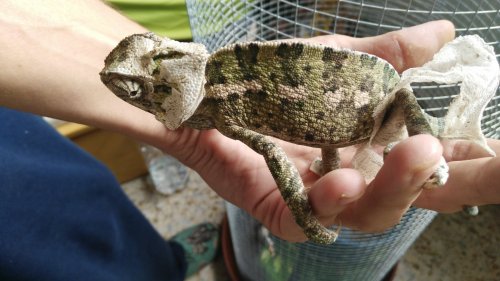
My ask is if my chameleon has sunken eyes, because i've never seen drinking.

I bought him two months ago, and he have now 3 months old
 

Attachments

  • WhatsApp Image 2017-05-19 at 14.29.52.jpeg
    WhatsApp Image 2017-05-19 at 14.29.52.jpeg
    107.7 KB · Views: 975
  • WhatsApp Image 2017-05-19 at 14.29.52 (1).jpeg
    WhatsApp Image 2017-05-19 at 14.29.52 (1).jpeg
    102.7 KB · Views: 232
  • WhatsApp Image 2017-05-19 at 14.29.52 (2).jpeg
    WhatsApp Image 2017-05-19 at 14.29.52 (2).jpeg
    103 KB · Views: 316
  • WhatsApp Image 2017-05-19 at 14.29.52 (3).jpeg
    WhatsApp Image 2017-05-19 at 14.29.52 (3).jpeg
    100.8 KB · Views: 306
  • WhatsApp Image 2017-05-19 at 14.29.52 (4).jpeg
    WhatsApp Image 2017-05-19 at 14.29.52 (4).jpeg
    105.9 KB · Views: 209
  • WhatsApp Image 2017-05-19 at 14.29.52 (5).jpeg
    WhatsApp Image 2017-05-19 at 14.29.52 (5).jpeg
    98.9 KB · Views: 231
  • WhatsApp Image 2017-05-19 at 14.29.52 (6).jpeg
    WhatsApp Image 2017-05-19 at 14.29.52 (6).jpeg
    106.6 KB · Views: 231
  • WhatsApp Image 2017-05-19 at 14.29.52 (7).jpeg
    WhatsApp Image 2017-05-19 at 14.29.52 (7).jpeg
    105.3 KB · Views: 283
  • WhatsApp Image 2017-05-19 at 14.29.52 (8).jpeg
    WhatsApp Image 2017-05-19 at 14.29.52 (8).jpeg
    96.3 KB · Views: 211
Chameleon Info:
  • Your Chameleon - veiled chameleon, male, 3 months. How long has it been in your care--> 2 months
  • Handling - one time to day for sun
  • Feeding - What are you feeding your cham?--> crickets/ What amount?-->5 or 8 to number 3 /What is the schedule?--> midday How are you gut-loading your feeders?--> water and letucce
  • Supplements - Calcium: Microcalcium JBL and reptivite with D3, three days calcium, 3 days reptivite, the other day dont eat
  • Watering -What kind of watering technique do you use?--> I grind up and i have a dropper // How often and how long to you mist?--> 4 or 5 times to day // Do you see your chameleon drinking?-->rarelly
  • Fecal Description - Briefly note colors and consistency from recent droppings-->black and the orine is a little yellow // Has this chameleon ever been tested for parasites?--> Not
  • History - Any previous information about your cham that might be useful to others when trying to help you.

Cage Info:
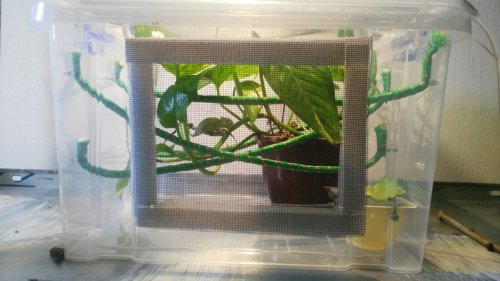
  • Cage Type - photo
  • Lighting - its all ok
  • Temperature - What temp range have you created (cage floor to basking spot)?-->in the up 30 or 32 degrees , in the down 25 or 26 // Lowest overnight temp?--> 22 or 23 // How do you measure these temps?--> with a thermometer
  • Humidity - What are your humidity levels?-->50-70 % // How are you creating and maintaining these levels?--> with a plant(poto) and grinding up // What do you use to measure humidity?-->with a hygrometer
  • Plants - Are you using live plants?--> yes If so, what kind?--> the name in spain is poto
  • Placement - Where is your cage located?-->in my room // Is it near any fans, air vents, or high traffic areas?--> Not // At what height is the top of the cage relative to your room floor?--> one meter more or less WhatsApp Image 2017-04-25 at 19.24.03.jpeg
  • Location - Where are you geographically located? --> in the south of spain (Granada)

Current Problem--> I dont know if my chameleon is dehydrated
 
I had this common chameleon one year, but finally i let it go for my parents, but now i live alone

pd: he was male
 
It's recommended that you dust the insects just before feeding them to the chameleon at almost all feedings with a phosphorous-free calcium powder to make up for the poor ratio of calcium to phosphorous found in the insects.

It's recommended that you dust twice a month with a phosphorous-free calcium/D3 powder to ensure that the chameleon gets some D3 without overdosing it. D3 from supplements can build up in the systemand lead to health issues. This leaves the chameleon to produce the rest of the D3 it needs from its exposure to UVB light. D3 produced from exposure to the UVB light won't build up in the chameleon as long as the chameleon can move in and out of it as it wants to.

It's recommended that you dust twice a month with a vitamin powder that contains a beta carotene prOformed source of vitamin A. PrOformed sources of vitamin A will not build up in the system like preformed sources will so you don't have to worry about overdosing it on vitamin A
This leaves it up to you to decide if the chameleon needs any prEformed vitamin A and give it separately or in a different vitamin powder if it's needed.

It's important to feed/gutload your crickets well. I use a wide assortment of greens and veggies such as dandelion greens, collards, kale, endive, escarole, squash, zucchini, carrots, sweet potato, sweet red pepper, etc and a bit of fruit such as melon, berries, Lear, apple, etc.

Hope this helps!
 
Thanks for the answer Kinyonga

sorry, i dont understand good, calcium and vitamins only twice a month?? i'm giving him too??
 
Phosphorous-free calcium at almost every feeding.
Phosphorous-free calcium with D3 only twice a month.
Vitamin powder twice a month.
The chameleon should get what it needs from properly fed insects and we just add what is needed to make sure it does.imwish

I spoke your language so I could explain it better.
 
I used google translate to translate what @kinyonga said in Spanish so you can understand better what she is trying to say


Calcio libre de fósforo en casi todas las comidas.
El calcio libre de fósforo con D3 sólo dos veces al mes.
Vitamina en polvo dos veces al mes.
El camaleón debe obtener lo que necesita de los insectos alimentados adecuadamente y sólo añadir lo que se necesita para asegurarse de que does.imwish

Hablé su idioma para poder explicarlo mejor.
 
Back
Top Bottom