I second getting a discoid colony. It is an investment and will take a few months to get fully established, but is well worth it. The adults are much too large for feeding, but the nymphs don’t grow terribly fast so will be a good feeding size for some time.
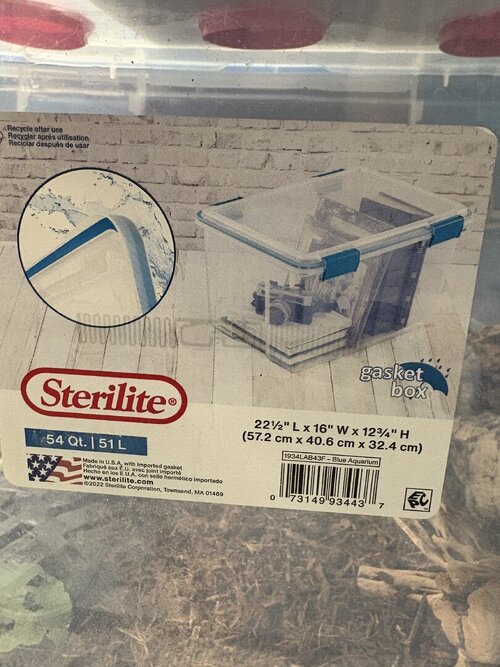
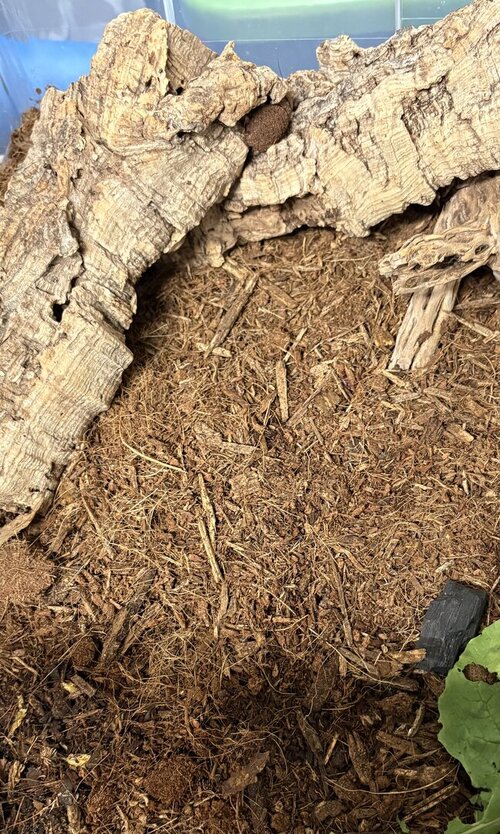
I’ve found my colony produces best when kept bioactively - I mix some organic soil with coco coir, add some horticultural charcoal and a touch of sphagnum moss (to hold humidity)…add some isopods like dwarf white and springtails. I put in a small bit of cuttle bone for all the buggies health and keep one side a bit moist. (Isopods need humidity to breathe). Some leaf litter for the isopods and springtails to munch if they choose. Keep at around 90F (heat mat on the outside of the bin) and before you know it, there will be itty bitty icky bebes crawling around. The roaches do need to be able to climb, so I put in some cork bark for them, like little cave houses. So I don’t have to go digging all the time to find feeders, I every now and then sort thru and remove the nymphs and keep in a separate clean bin.
The prices of some of the feeders does seem a bit crazy until you breed your own and then understand why they are so expensive. I don’t often get hornworms because of cost and how crazy fast they outgrow feeding size. For silkworms, let a few dozen complete their life cycle and become moths to mate and provide eggs. The eggs need a diapause of about 3 months in the fridge (wine fridge is perfect) and then you can take out and hatch as many as you want at one time. I buy the powdered chow to make their food. They are a bit slow to get growing, but after a few weeks, they’re starting to get big enough and you’ll have feeders for at least a few weeks (depending on size you start feeding them). When your egg supply is getting low or old, repeat the process of producing eggs. They can be a challenge at times since they have basically no immune system and can easily die off, but keep at it and you’ll get the hang of it.

You can even breed your own superworms, but you will end up with way more than you could ever possibly need (hundreds if not more). I breed my own of just about everything I can and if I have excess, I donate to the local wildlife hospital.



 West Coast Canadian; So, so eh!?? Sorry...