
Navigation
Install the app
How to install the app on iOS
Follow along with the video below to see how to install our site as a web app on your home screen.
Note: This feature may not be available in some browsers.
More options
You are using an out of date browser. It may not display this or other websites correctly.
You should upgrade or use an alternative browser.
You should upgrade or use an alternative browser.
Taveta Dwarf Fischer's Chameleons
- Thread starter farrahsc
- Start date

facelesdoll
New Member
hopefully someone more EDUCATED will chime in. though i have kept them, and they seem very easy going animals, i still dont believe that saying they are low maintenance is a good direction. however, for a chameleon they do seem to be one of the better species ive kept successfully and GORGEOUS! some say they are tasteless but i believe that they smoke most horned species, just like i back up werneri over jacksons. but once again wait until you know better about them before jumping in, i may have only been lucky, young, AND dumb.

laurie
Retired Moderator


If you want to pm me your email address I can send you what I have for info. I don't know that you want advice from me. Jared Cain (cainscham) is the one who knows the most. My pair is set up in two 2x2x2 terrariums . They sit next to each other but can't see each other. I got my tavs at three months old. Jared sent them to me on 6/1/10 so I don't have a lot of experience. All I can say is I am fascinated by these guys. They never stop moving, they are just unending entertainment.

Cainschams
New Member
If you want to pm me your email address I can send you what I have for info. I don't know that you want advice from me. Jared Cain (cainscham) is the one who knows the most. My pair is set up in two 2x2x2 terrariums . They sit next to each other but can't see each other. I got my tavs at three months old. Jared sent them to me on 6/1/10 so I don't have a lot of experience. All I can say is I am fascinated by these guys. They never stop moving, they are just unending entertainment.
I love you, Laurie!!!!

Farrah, its a shame but I might have the most experience with this species on the forums
 It is late for me and I have been indulging in alcoholic drinks
I will try to give you as much info as I can tomorrow but now is just not the time.
I absolutely LOVE this species and am very enthusiastic about them. I will post what I can in the morning. You can ALWAYS call me! I know hearing a voice is much better than reading it off the internet. My number is plastered all over the forums so I do not mind posting it here. 304 771 6970 and ask for Cain. Feel free to call at anytime. If I do not answer leave a message and I will call you back. I have to warn you though, you will probably want to get off the phone before I am ready

If you have any specific questions feel free to ask. Also filling out the "how to ask for help" section in the health clinic forums will give me a good understanding on how you are keeping them and I can suggest things that may better your husbandry for them.
Please!!! Do not hesitate to call or ask any and all questions on the forums.
Cainschams
New Member
I just realized you are in WV! What area are you in? My profile says Maryland but I am in WV now. I live near New Martinsville. Please give me a call tomorrow or ask what you need on here.
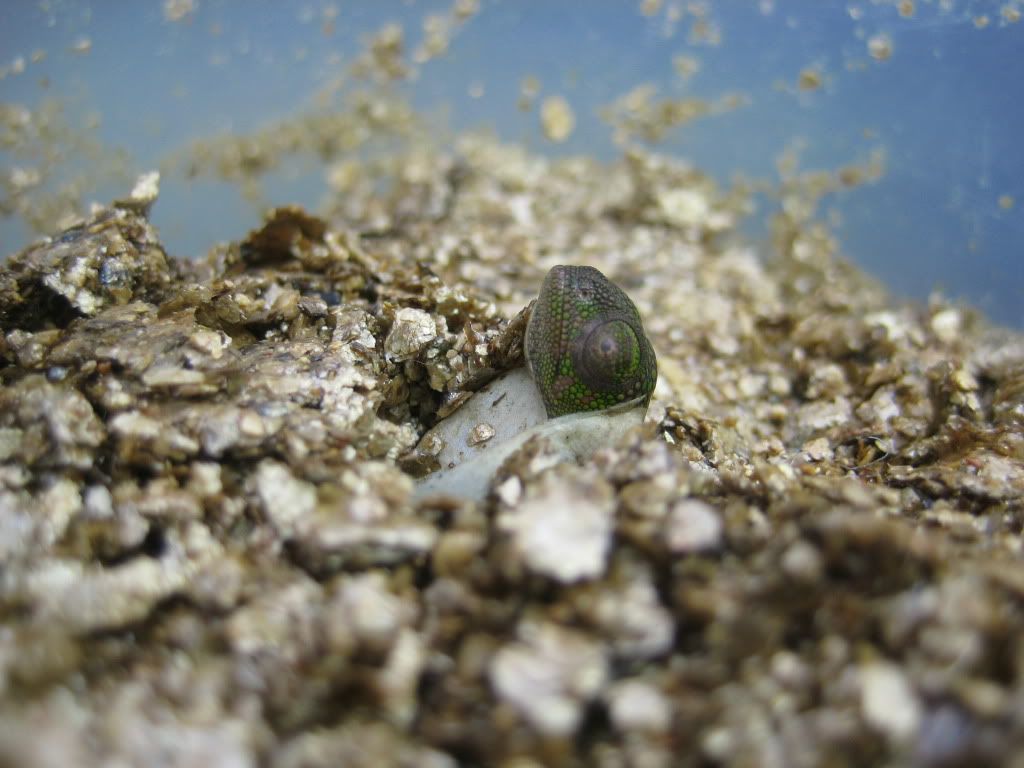
Here is a Kinyongia tavetana coming out of the egg that I hatched this year

Here is a Kinyongia tavetana coming out of the egg that I hatched this year
Cainschams
New Member
I love you, Laurie!!!!
Farrah, its a shame but I might have the most experience with this species on the forums
I will try to give you as much info as I can tomorrow but now is just not the time.
I absolutely LOVE this species and am very enthusiastic about them. I will post what I can in the morning. You can ALWAYS call me! I know hearing a voice is much better than reading it off the internet. My number is plastered all over the forums so I do not mind posting it here. 304 771 6970 and ask for Cain. Feel free to call at anytime. If I do not answer leave a message and I will call you back. I have to warn you though, you will probably want to get off the phone before I am ready
If you have any specific questions feel free to ask. Also filling out the "how to ask for help" section in the health clinic forums will give me a good understanding on how you are keeping them and I can suggest things that may better your husbandry for them.
Please!!! Do not hesitate to call or ask any and all questions on the forums.
I really do need to invent a breathalyzer that doesnt let you get on your computer after a certain level
Anyway!
I do have a PDF I can send to you through email if you PM your email address.
Here is a reply from another thread. I kept Kinyongia multituberculata and tavetana the same way and they are very similar to each other. The only thing is you can get a way with housing male tavetana in 16x16x30 cage where as multituberculata get bigger and need a larger cage.
To save me a little time just replace multituberculata with tavetana

Kinyongia multituberculata is a montane chameleon. Montane species need higher humidity and cooler temperatures than low land species. Here is how I kept mine when I had them along with my other montane species at the moment.
Day time temps should be between 70 and 78 degrees F with a basking site of around 80 to 85 and humidity no lower than 50% but 60 to 70% is ideal.
Night time temps should dip lower than 65 but its even better to be in the low 60s to high 50s IMO. Humidity should get higher than 70% during the night.
This species is shy and very active so a decent sized cage that is densely planted is necessary. Plants like pothos, ficus and schefflera (umbrella plants) are what I use. Live plants look much nicer and help retain humidity. For a female multituberculata I would go no less than 16x16x30. Depending where you live you might try a terrarium if humidity is hard to keep at a good level. I also use sticks from outside for more climbing places inside the cage. I use any sticks that do not have thick bark so it doesnt flake off and the animal doesnt accidentally ingest it. Recently I have been using dried hops vines that work super well!!
I found my animals not to be picky eaters. Crickets, roaches, flies, spiders, hoppers, etc were the main diet for mine. I did not find they like worm type feeders though.
Feeders need to be well gut loaded before being fed off. Fruits and veggies such as kale, kelp, mustard greens, dark greens in general (lettuce, spinach, broccoli are things to stay away from), squash, bell peppers, alfalfa, carrots, apples, oranges, pear, etc are good fruits. Usually I feed my flies the fruits since they do not take well to veggies along with bee pollen and honey. Crickets, roaches and hoppers will all eat the veggies and spiders I just toss in after I catch them and let the animal have whatever it was eating before hand.
I would supplement this species every feeding with a calcium powder without D3 in it. I do not use vitamin supplements for montane species only for a gravid female after she lays or drops. If they are being housed inside I use a calcium supplement with D3 once every month to month and a half. D3 can build up in the animal causing hypervitaminosis. I feed appx 6 appropriate sized feeders or equivalent too every other day and sometimes skipping 2 even 3 days between feeding. This has been efficient in keeping my adults at a good weight. Remember to dust VERY lightly.
A few things that are slightly different with the two species. K. tavetana comes from a place where humidity can go lower than 50% daytime in certain seasons. Personally I do not let it get lower than 60% in my chameleon room. I found tavetana to be more shy and aggressive than multituberculata so handling should be kept to a minimum. Only when doing deep cage cleanings, assessing health, and taking pictures is when I handle my animals and I do all three at once to minimize stress.
I would not house two animals together either.
Hope this helps and feel free to ask any and all questions. The offer still stands to give me a call or text also
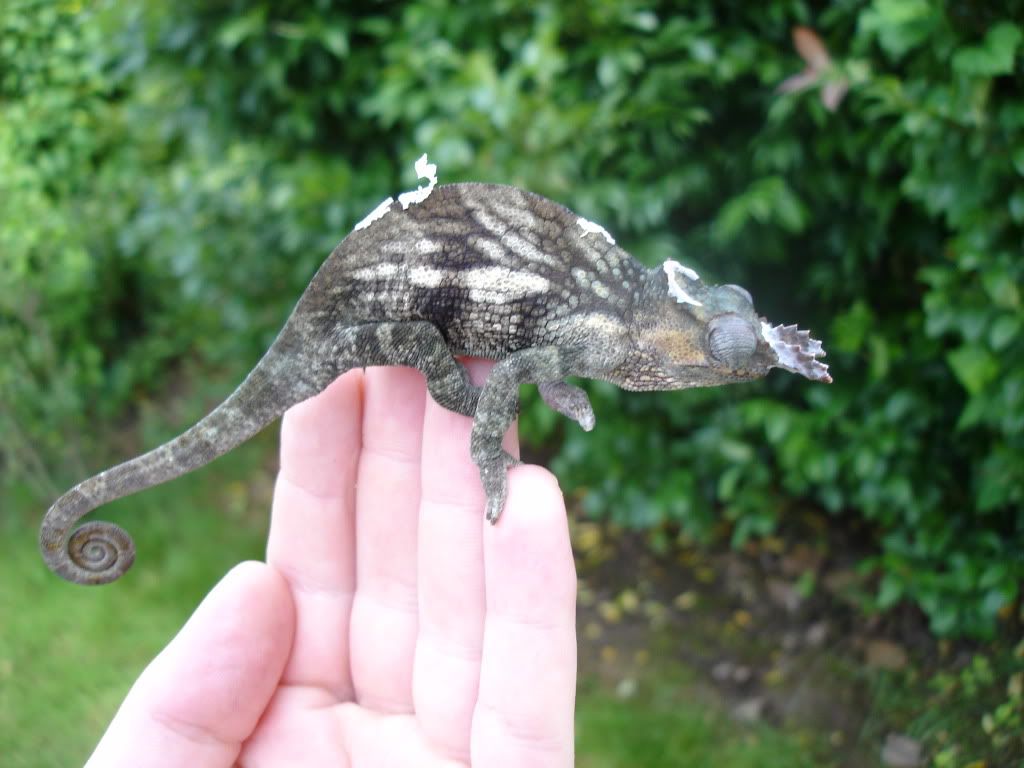
Here is one of the first of this species that I hatched out 2 years ago.

farrahsc
New Member
Thank you so much for all the info!! I was so excited to see you are in WV too! I'm close to Charleston. Your guys look amazing! I love that baby photo! I read somewhere that these guys give birth rather then lay eggs, is that not true? I haven't got any of these guys yet as I'm one of those people who likes to do as much research as I can before I jump in lol. They look amazing! Do you buy your plants online or at Lowes/Home Depot? Are they more aggressive then a Veiled? I wish you lived closer I would be running to your house to check them out lol!
Cainschams
New Member
I get my plants from Lowes mostly. They usually have some deals this time of year. I would say they are more shy than a veiled and yes they are aggressive but do not pack as big as a punch
Similar threads


- Replies
- 15
- Views
- 2K
