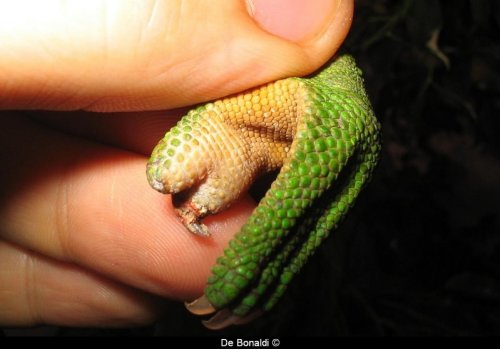
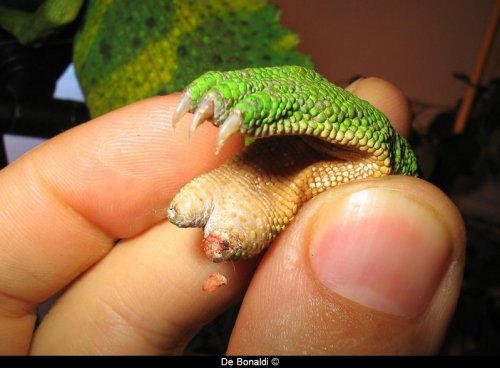
CANV turned up in two of my chameleons and this started the study of it...a Parson's and a lateralis. With the Parson's, we caught it in time...but the lateralis died during the treatment. The lateralis's autopsy showed that it had a pulmonary granuloma.
http://www.ncbi.nlm.nih.gov/entrez/query.fcgi?cmd=Retrieve&db=PubMed&list_uids=9523639&dopt=Abstract
It was found in crocodiles, snakes, and bearded dragons and a few other reptiles....and one case has been found in a human who had HIV.
http://www.cdc.gov/ncidod/EiD/vol11no02/04-0915.htm
http://www.ncbi.nlm.nih.gov/entrez/...ve&db=PubMed&list_uids=10367652&dopt=Abstract
http://www.ncbi.nlm.nih.gov/entrez/...ve&db=PubMed&list_uids=12058727&dopt=Abstract
The study continued with veiled chameleons...and "The CANV induced lesions in all experimental groups and was recovered from infected animals.".
http://www.ncbi.nlm.nih.gov/entrez/...ve&db=pubmed&dopt=Abstract&list_uids=16805090
This says that CANV is very rare... is that true in cham species? I don't know what to say about this, because its possible that it is more prevalent than we know due to misdiagnosis. It seems to be much more of a problem in bearded dragons though.
You asked..."which tests do I ask the vet for, to find out if it is CANV?"...I don't know the exact tests that were done, but they did involve a different dye than normal. I will try to contact the vet and see if he can tell me.
You said..."In the case of my WC, and I'm speaking based on what my vet tells me, she *most likely* has been harboring both bac and fungal for many months, maybe a year or more. I have had her over 90 days, she's been in country only 4-5 more days. How quickly is "kill quite quickly"? Like a week or two?"...with the snakes, it only took 14 days or so before they were dead. I wish I could remember how long I had the Parson's before it showed the lesions (its been about 10 years since this all happened). He had what looked like a rub on his knee (scar from being scraped) when I got him and was in the middle of a shed and that area didn't shed. I didn't take him to the vet's for that...but I think I had him there for parasites and some time later (maybe a couple of weeks), he developed lesions (looked like chicken pox, sort of) around the edge of the rub and in other areas. They did bacterial tests that showed nothing and then did a biopsy that showed fungus. Then, the problem in figuring out what fungus began.
You asked..."In your experience, did the chameleon show normal happy colors the whole time (with the exception of her first night pic, of course)?"...both the chameleons showed their happy colors...even during the treatment.
You asked..."And have you ever run across a viral skin infection (like ig herpes) in WC chameleons? Can't rule out that we may also have viruses at work here"...I have had coneheads and chameleons show up with lesions that, again looked somewhat like chicken pox. In two of the cases they found no bacteria and didn't bother to test for fungus. In the third case they said the lesions were viral....and I don't think they tested for fungus this time either, even though there was interest in it if it was fungal from the vet who treated mine. There was also a request for samples of this to be sent to someone who was studying viruses in chameleons, but to the best of my knowledge, it wasn't sent either. The chameleon received no treatment and in a few days went down hill quickly and died. I called the vet at this time, but by the time I heard back several days later, it was apparent that there was no hope.
You said..."When he did the C&S initially, the only thing found was Pseudomonas. Kept growing it, but only Ps came up. Apparently, the fungal was systemic and "hiding" in her body? It appeared about a week or so into Amakacin therapy. Orange powder appeared on her healing scabs. My pix are at the mellerichams group, and I have tons more not yet uploaded, been kinda busy"...I'll go and look at the pictures after I finish answering this. With the bearded dragons, I was told that there is almost always a bacteria involved and that it seems to be followed by the CANV. I've never noticed an orange powder.
You said..."her condition is still responding well to the Amakacin therapy. She has a double whammy of bac and fungal infection, and as we wipe out the bac, the fungal becomes more apparent, naturally. The fungal meds prescribed (I'm told they're on the way to me) are a name I can't pronounce let alone spell, but it's oral and used for severe human and domestic animal fungal infections. It is not available OTC. When it arrives, I'll share the name. Supposedly, it's the A-bomb for fungal infections"...the medication used for the two of mine was itraconazole (sp?). The body of the Parson's was taken in for necropsy when it finally died and there was no evidence of the CANV at that time.
You said..."That's really interesting about the CANV and the contagious status, I'll keep it in mind. Mine has been in solitary, and all contact has been disposable gloves, paper towels, etc. I always treat them as though they are contagious, even if vets say they aren't"...it never spread to any of my other reptiles. Like you I took all precautions.
Weeks after the Parson's was cured of the CANV, it was acting strange and when tests where done, its liver was enlarged and it was anemic. We opted not to take blood and did nothing else at that time and at the time of autopsy quite a while later, the liver was no longer enlarged and there was no anemia either. Both could have been to do with the treatment of the CANV...but I have no way to be sure.
I hope all goes well with your meller's and that its problems all clear up. If you have any other questions, just ask....and I'll get back to you about the tests if/when I hear from the vet.



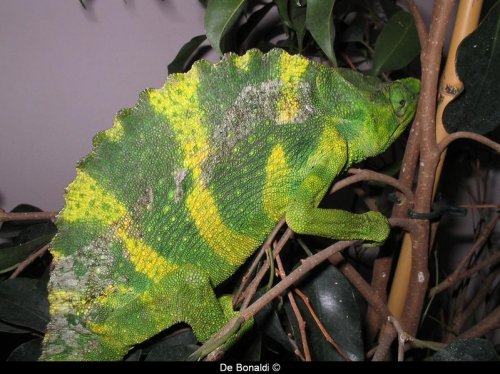
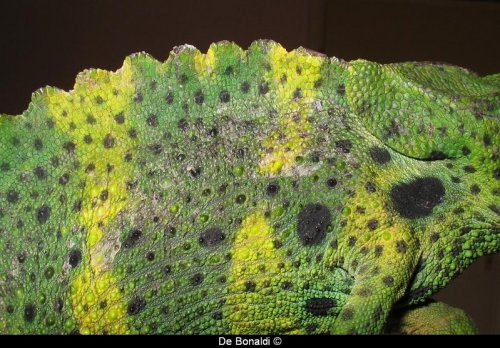

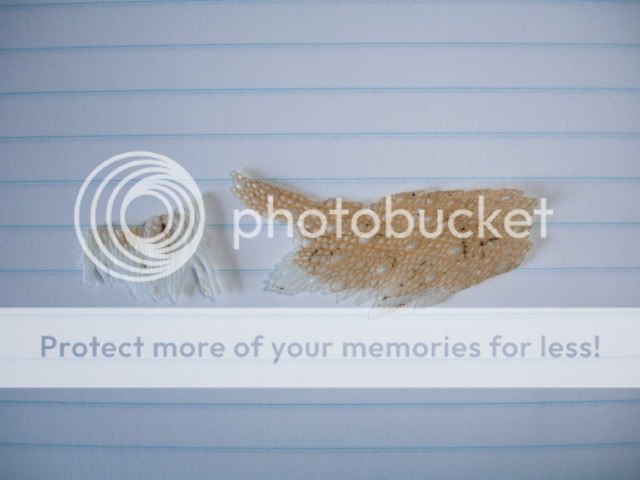
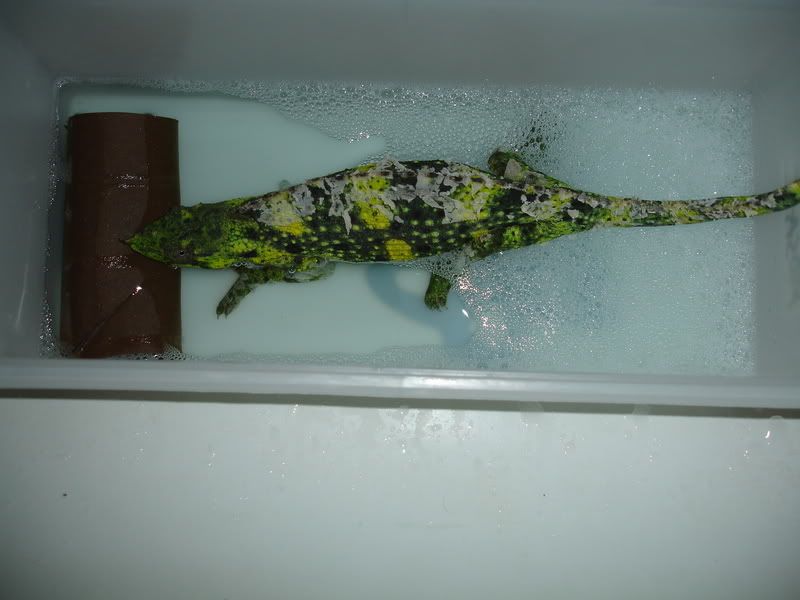


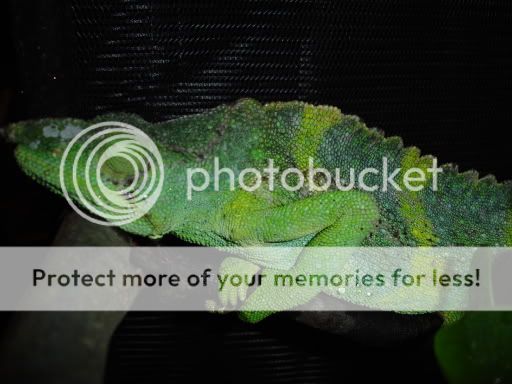
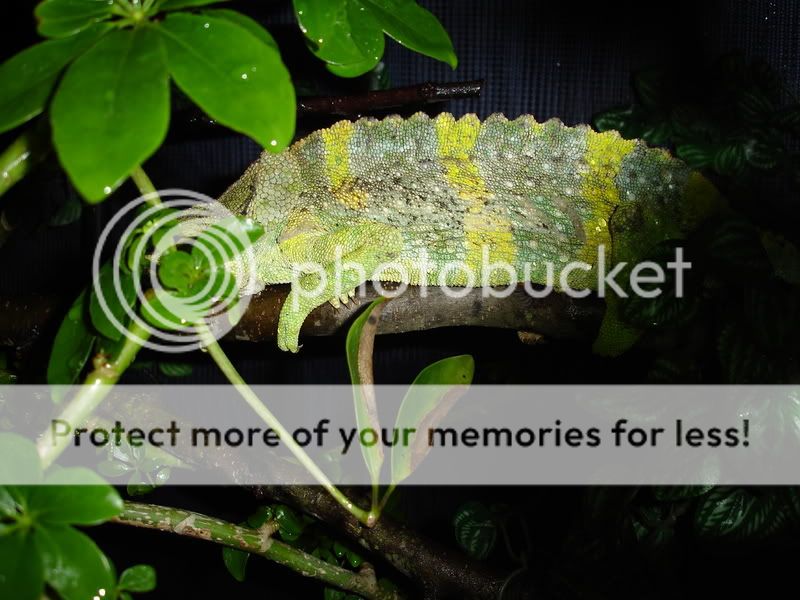
 i just took some pics of the toe, and as you can see there is also a missing claw.