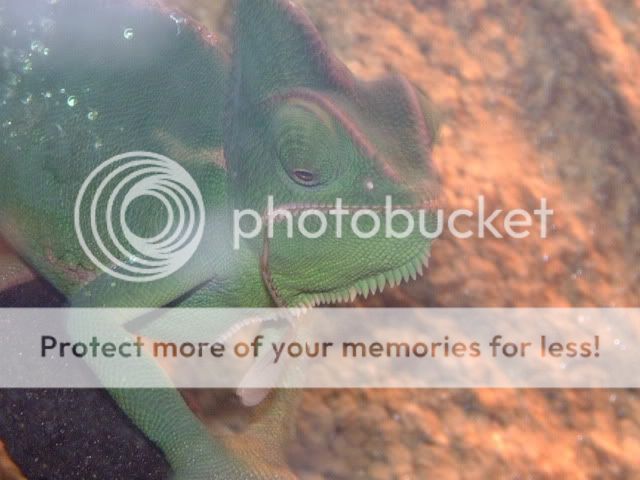
I think my worst expereince with feeders was with a horn worm. It was hot, had my shirt off, fed a big juicy horn worm to my veiled and was promptly sqirted across my chest with is guts. I felt dirty on many different levels.
I think my worst expereince with feeders was with a horn worm. It was hot, had my shirt off, fed a big juicy horn worm to my veiled and was promptly sqirted across my chest with is guts. I felt dirty on many different levels.
I think my worst expereince with feeders was with a horn worm. It was hot, had my shirt off, fed a big juicy horn worm to my veiled and was promptly sqirted across my chest with is guts. I felt dirty on many different levels.
Well, I can't let this pass without sticking up for my scaly (adult), squirmy(caterpillar) friends. Manduca sexta and M. quinquefolia are the two main hornworms that we - uh, you -use as feeders. They are native to N. America and can seem like pests in agriculture where there are single family crops grown (e.g. tomato, tobacco, potato and others in the Solanaceae family which is what they feed on). However...the large night flying adult moth is a serious pollinator and we would be sorely lacking if they were not around.
I do a presentation on Backyard Pollinator Conservation and include the hornworms. Attendees are initially appalled until they see how handsome these moths are and the important role they play in our lives.
OK, off my soapbox, just had to remind folks that caterpillars are not always caterpillars