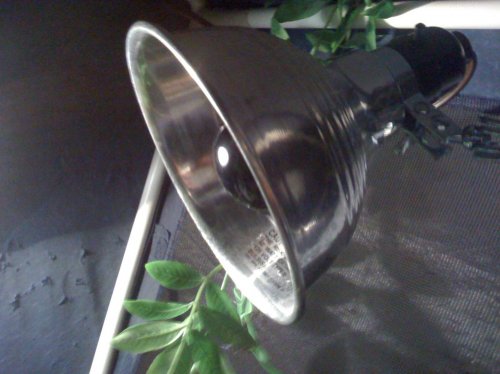
Ah, ok, well, I'm not sure which country you're in but here are a few rules of thumb when it comes to lighting and heating...
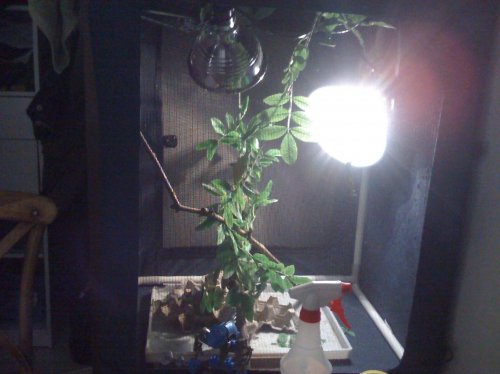
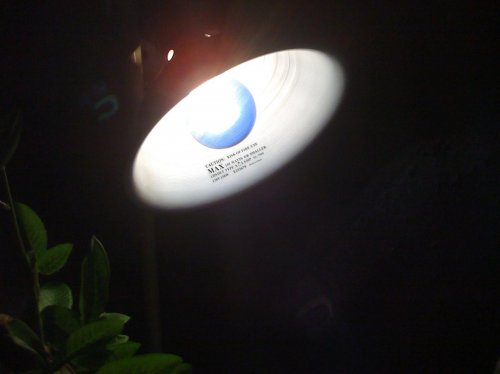
You will need to provide a linear UVB fluorescent bulb. UVB is essential in allowing the chameleon to process vitamin D3 for calcium absorbtion and with a lack of calcium absorbtion they run the risk of dealing with Metabolic Bone Disease (similar to rickets). It's not pretty and very easy to avoid. Most folks use the Zoo Med Repti-Sun 5.0. They can be purchased for roughly $20 shipped, depending on the size of course, from most online stores. Make sure you don't purchase the Spiral type Compact Fluorescent bulbs. These will fit in standard light sockets and your heat domes, but are not safe for chameleons. They have been known to cause eye problems and are overall avoided by most.
Depending on your night time temp's, a night time heat source isn't usually required. More often than not, most chameleons can handle a significant drop in temps overnight, just make sure it's not too low. This brings up the question of what the night time temps are without the light on. If you're above 60-65, then you shouldn't use a night time heat source, however, I've never really had experience keeping chameleons under 68-70 and I've never used a heat source over night, only during the day.
This isn't so much about lighting or heatng but I thought I would throw it in case you don't know.
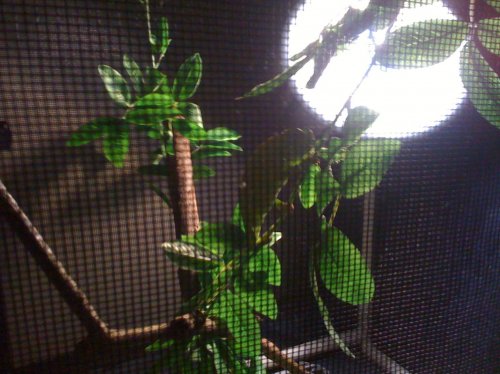
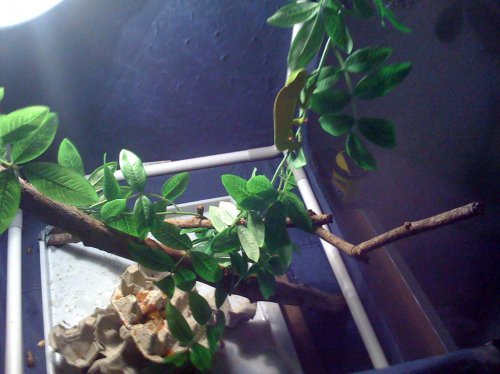
I would definitely acquire a few more plants and branches. You want to ensure the chameleon has enough cover to completely hide from sight should he get nervous or spooked. Sturdy branches that run both verticle and horizontal are needed to ensure he has enough area to walk around, hunt for food, or bask under the lamp.
Ensure you water your chameleon at least once or twice during the day. Spray the plants and leaves down once in the morning and once when you get home from work/school etc. Ensure you spray enough water for it to drip off of the leaves in a decent amount. Chameleons usually only drink from leaves or branches and you want to make sure you spray enough around for him to stay hydrated.
Too much food shouldn't run loose in the cage over night. Most folks keep their feeders in a different container all together and only feed however much their chameleon will eat in one sitting. Use common sense and don't over feed and again, make sure you remove any crickets that are not eaten. I've seen crickets do some pretty nasty things to animals while they sleep. It's imply better to be safe than sorry.
HTH
Luis

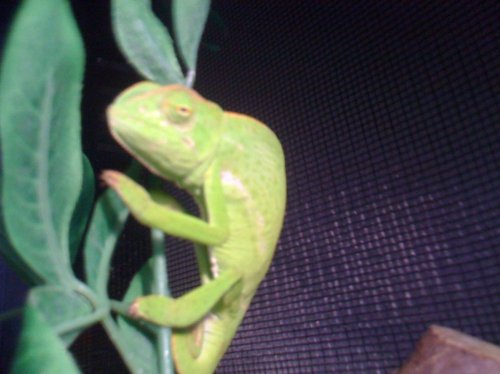
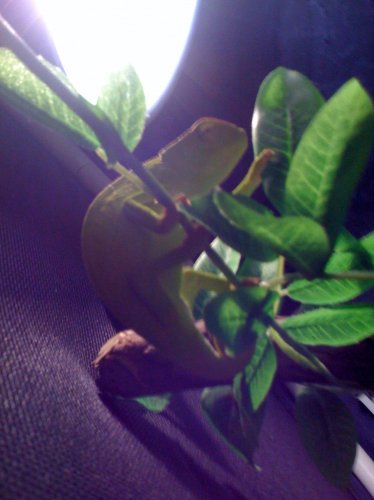
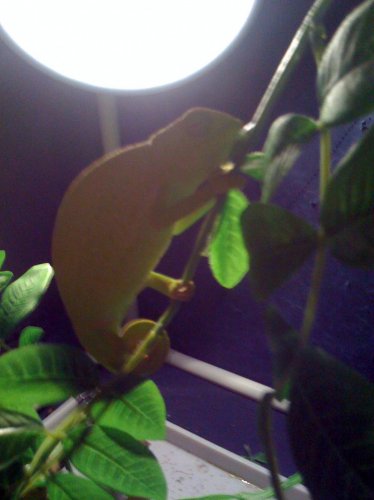
 ). Hes only a few months old and we are still unsure on what kind he is and whether its a gal or a chum
  . we got a few pics to show everyone but a little guidance would be nice.


 and this would definately include baby chams!
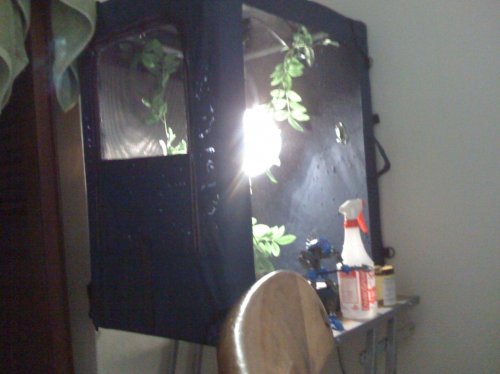
 . I dont think I can make an educated guess, he/she is my first meleon, so Im basically an ignorant when it comes to these fascinating creatures. I want to change this around by getting advice from you and other Chameleon veterans. As for the pics i couldnt find my good camera so i used my iphones. They are a bit shaky but hopefully you can tell me what you think Charmander is.