male or female jackson?

coldbloodedAL

Avid Member
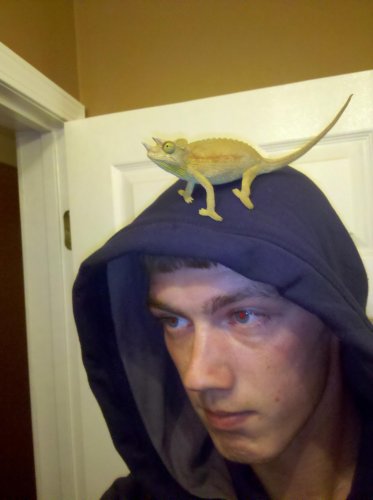
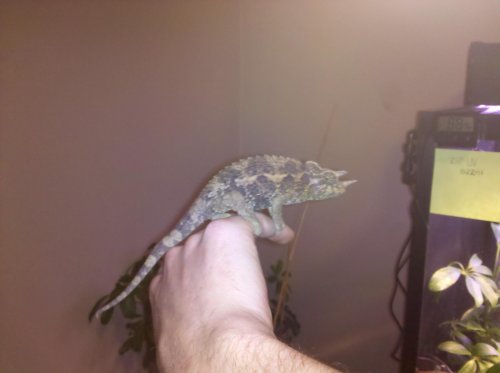
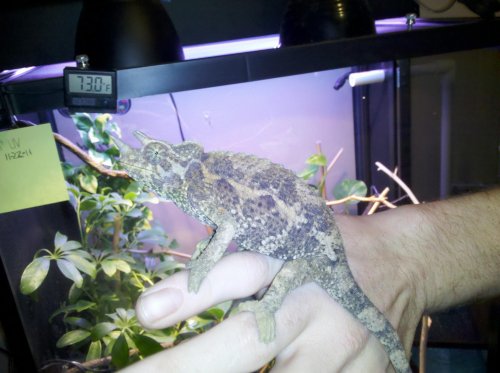
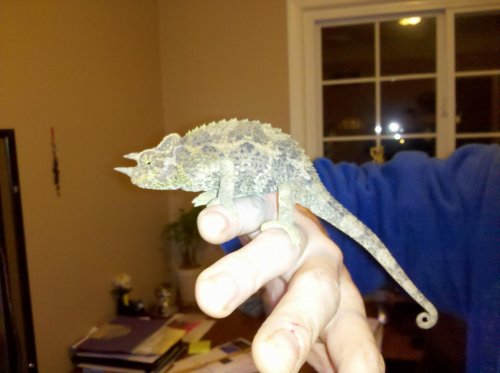
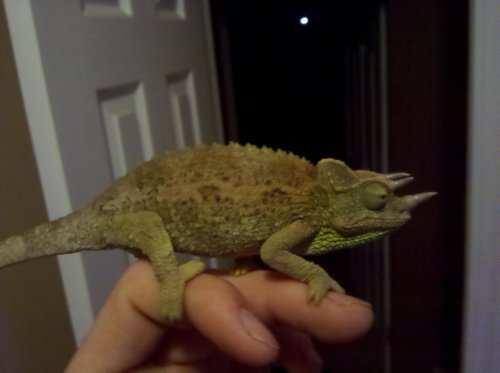
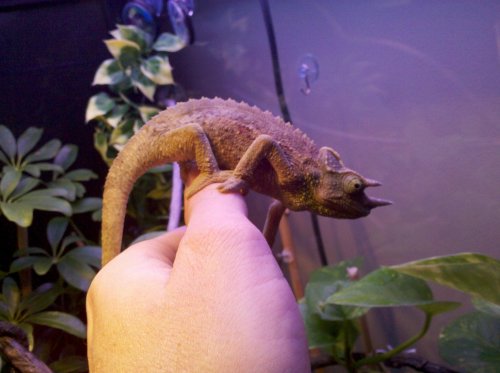
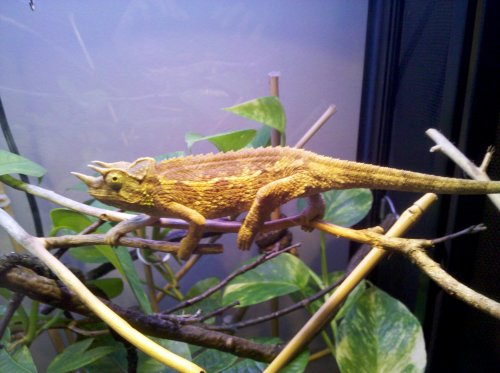
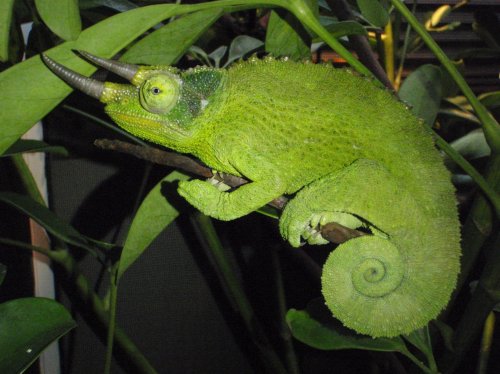
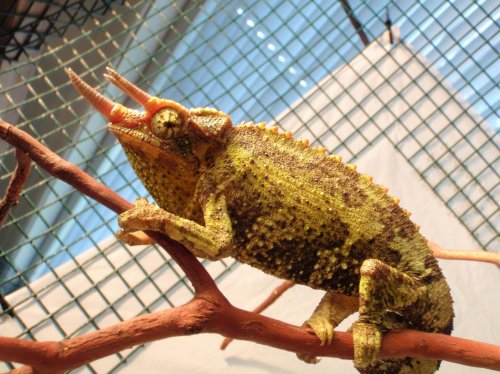
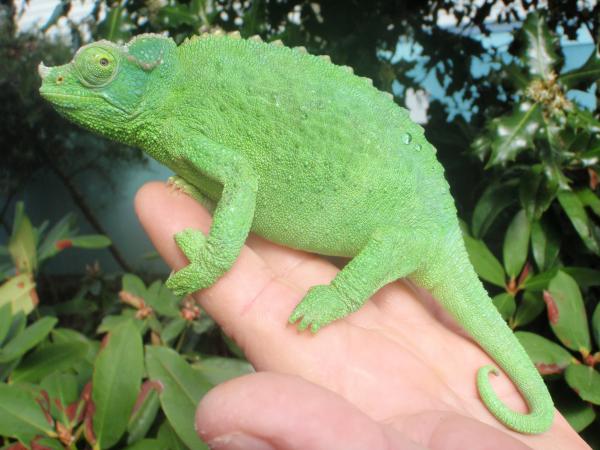
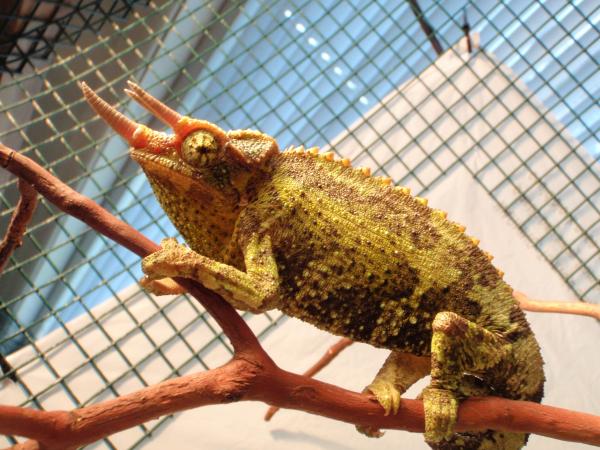
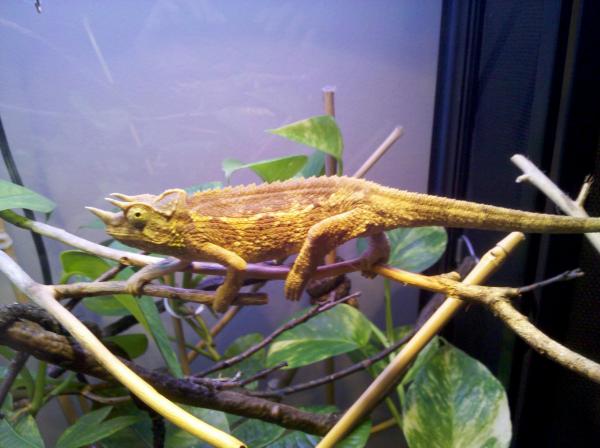
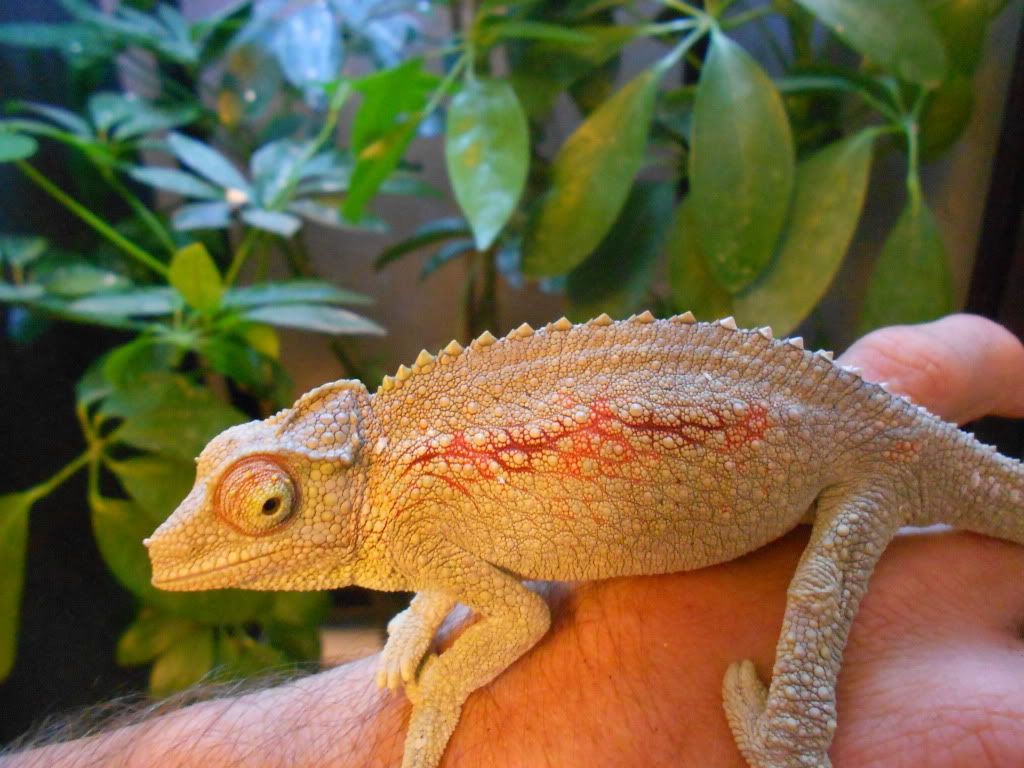
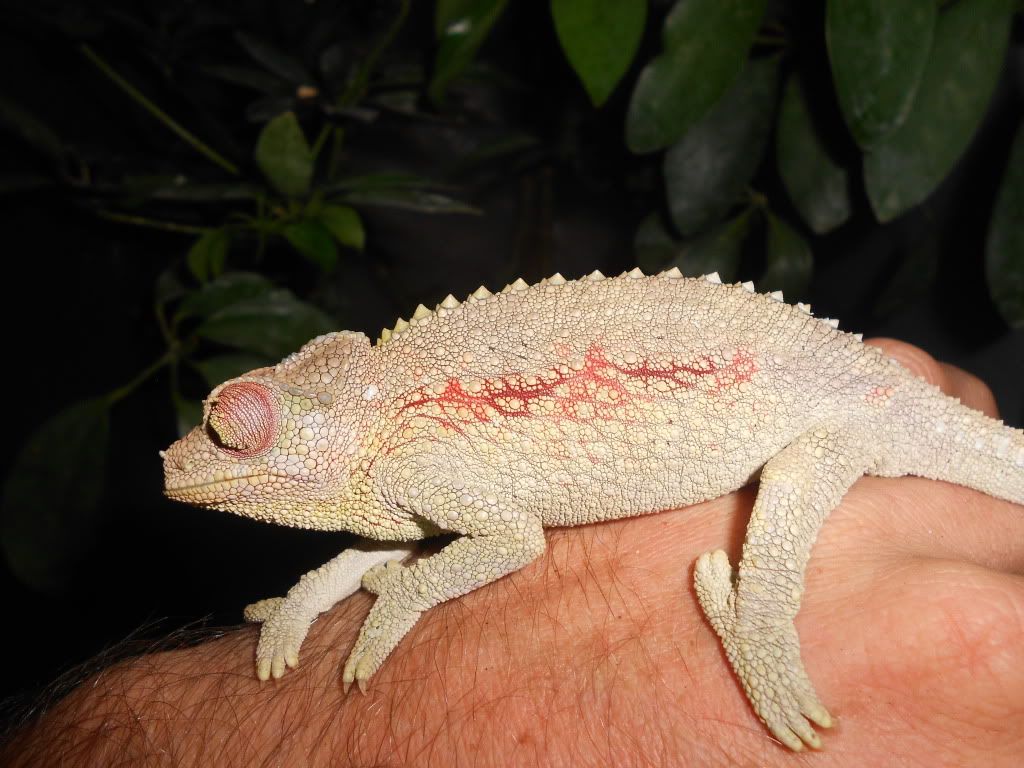
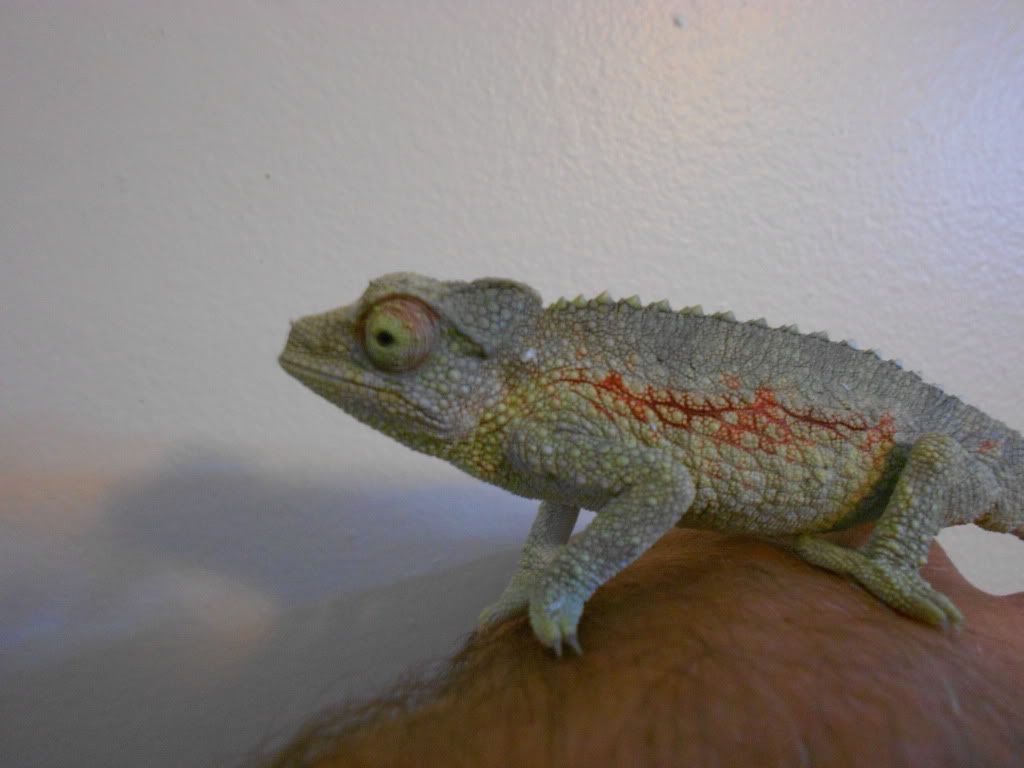
Since I bought my jackson about 7 months ago I have thought it is a male xanth. But now that it is about 8 months old, its color is rather drab and never really showed the colors i have seen on most all the male xanths. Could it be possible it is a female JJ? The first pic is the brightest colors it has ever shown, the rest of the time it usually looks like the remaining pics, with it occasionally showing red.
 

Attachments

  • IMG_20111123_201128.jpg
    IMG_20111123_201128.jpg
    267.7 KB · Views: 369
  • IMG_20111203_203429.jpg
    IMG_20111203_203429.jpg
    310.8 KB · Views: 341
  • IMG_20111203_203437.jpg
    IMG_20111203_203437.jpg
    241.6 KB · Views: 367
  • IMG_20111203_203454.jpg
    IMG_20111203_203454.jpg
    261.7 KB · Views: 388
  • IMG_20111203_203633.jpg
    IMG_20111203_203633.jpg
    269 KB · Views: 336
And the remaining pics
 

Attachments

  • IMG_20111203_203653.jpg
    IMG_20111203_203653.jpg
    250.4 KB · Views: 312
  • IMG_20111203_204012.jpg
    IMG_20111203_204012.jpg
    244.2 KB · Views: 300
imo, its a red phase male xanth, its fairly rare for females to have preoccular horns and ive never even heard of a red phase j jacksonii (although that would be sweet) but imo its markings are xanth, so imo its a red phase male xanth. jmo
 
imo, its a red phase male xanth, its fairly rare for females to have preoccular horns and ive never even heard of a red phase j jacksonii (although that would be sweet) but imo its markings are xanth, so imo its a red phase male xanth. jmo

Is it common that the red phase males show green less often if at all? Or could this indicate a possible health issue?
 
I have never seen a male xanth in person. I was told my female was a male when I bought her, she has occular horns and I was inexperienced and assumed this to be correct. Her horns didn't really develope though, certainly not to the extent of your animal, and was told by many on the forum the she is indeed female. I would say yours looks very much like my Stella when she was younger, except her horns don't go out, they go up, and are not near as pronounced. Judging by pictures, it seems to me that male xanths have a longer look to there head/body, and females have a shorter rounder look to them. I wanted to say you have a female at first by the overall look to the animal. I think it is a male though upon closer inspection. Do you know the age of the animal?
EDIT: Nevermind, I see you said 8 months. Your animal has the same colorations as my female xanth untill she was over a year old, now she's green as can be ;)
 
I have never seen a male xanth in person. I was told my female was a male when I bought her, she has occular horns and I was inexperienced and assumed this to be correct. Her horns didn't really develope though, certainly not to the extent of your animal, and was told by many on the forum the she is indeed female. I would say yours looks very much like my Stella when she was younger, except her horns don't go out, they go up, and are not near as pronounced. Judging by pictures, it seems to me that male xanths have a longer look to there head/body, and females have a shorter rounder look to them. I wanted to say you have a female at first by the overall look to the animal. I think it is a male though upon closer inspection. Do you know the age of the animal?

It is close to 8 months old now, and judging by photos of other males there pre occular horns seem to be alot more pronounced.
 
Is it common that the red phase males show green less often if at all? Or could this indicate a possible health issue?

does it ever go predominately green and stay that way for more than 15min? red phase rarely go full green (in their adolescent months). mostly they stay predominately a cinnamon color with varying hues of red, green and or yellow. normal green phase on the other hand is quite capable of turning a cinnamon like color. ill try to post some pics shortly. it could be indicative of a health prob if a xanth known to be a green phase xanth suddenly, frequently starts displaying cinnamon like colors for extended periods but imo, thats not the case here.
red phase are fairly uncommon and would be considered a real find if that is what you were after.

I have never seen a male xanth in person. I was told my female was a male when I bought her, she has occular horns and I was inexperienced and assumed this to be correct. Her horns didn't really develop though, certainly not to the extent of your animal, and was told by many on the forum the she is indeed female. I would say yours looks very much like my Stella when she was younger, except her horns don't go out, they go up, and are not near as pronounced. Judging by pictures, it seems to me that male xanths have a longer look to there head/body, and females have a shorter rounder look to them. I wanted to say you have a female at first by the overall look to the animal. I think it is a male though upon closer inspection. Do you know the age of the animal?
EDIT: Nevermind, I see you said 8 months. Your animal has the same colorations as my female xanth untill she was over a year old, now she's green as can be ;)

i have never seen preoccular horns on a female but i do know that although fairly rare it does occur. if you look at the profile of an adult male and female xanth, you will notice that on the male, the preoccular region is almost vertical, on the female the preoccular region tends to slope back at a fairly steep angle, so it makes sense that preoccular horns on a female would point higher up than on a male.

red phase is just a color variation, some might argue diet, others might argue genetics or locale, but there is no taxonomic difference that i am aware of, both are t.j.xantholophus. ime, its common for most red phase to eventually lose most if not all of their cinnamon coloring as they get older, i have never seen or heard of a 3 year old xanth that was still red phase. (to me this lends some credence to the locale argument. i have only seen a handful of red phase xanths and they were all of hawaiian bloodlines, i have never seen or heard of a xanth of direct kenyan bloodlines that was red phase. to me, this could be construed as explaining why there are no red phase t.j.jacksonii.

if ss genuinely has a female xanth with pre occular horns, please, i would love to see a pic ( not doubting, its just i have never seen one before.
 
Last edited:
does it ever go predominately green and stay that way for more than 15min? red phase rarely go full green. mostly they stay predominately a cinnamon color with varying hues of red, green and or yellow. normal green phase on the other hand is quite capable of turning a cinnamon like color. ill try to post some pics shortly. it could be indicative of a health prob if a xanth known to be a green phase xanth suddenly, frequently starts displaying cinnamon like colors for extended periods but imo, thats not the case here.
red phase are fairly uncommon and would be considered a real find if that is what you were after.

The first pic where its on my head, is the only time it has ever showed that bright of green and it only lasted about 5 minutes. Occasionally (maybe twice a month) it will show slight hints of green. The red I see more often.
 
Shemales....what the heck?

To me, it looks like a female but damned if I can tell you why. The first picture totally said "female" to me...I see the reason for the question with the second picture.
 
I have some great pics! But I am not in position to post the atm as I'm not at home. She is also red phase, but has indeed lost most of her red except in her gullular region. If you search for my (early) posts you can find some terrible pics, and some great examples of improper husbandry :p LOL But they are there, I've got some really nice ones recently of her, as well as my new addition (ambilobe) that I've been wanting to post, but I find myself severly busy. It will happen soon though, and I will try to throw up at least a couple of her tomarrow.
 
Judging by pictures, it seems to me that male xanths have a longer look to there head/body, and females have a shorter rounder look to them. I wanted to say you have a female at first by the overall look to the animal. I think it is a male though upon closer inspection.

i agree, females tend to be shorter stockier thicker on a more consistent basis. males on the other hand tend to vary their body quite significantly, (presumably according to their mood). there body shape can vary so much from day to day or even hr to hr that it can leave you wondering if there are health issues or even if its the same animal. this is little justin, the male in my avatar note that in my avatar he looks sort of slender, note in the first pic below, he looks sort of stocky, note that in the second pic he looks a little more slender, but still sort of stocky, note the color difference when he is miffed. when he is relaxed and on the move, he can look as though he only weighs 1/2 as much even though he hasnt lost a gram. just sort of meant as an example of how different a male cham can look from one moment to the next. almost looks as though it were 3 different animals. little justina the female pictured in my cf public albums looked pretty much the same regardless of mood or activity, always thick and stocky looking.

little justin is now known as zeus and thankfully in the very competent care of cf moderator laurie.
 

Attachments

  • OLYMPUS DIGITAL CAMERA_12.jpg
    OLYMPUS DIGITAL CAMERA_12.jpg
    252.6 KB · Views: 221
  • OLYMPUS DIGITAL CAMERA_109.jpg
    OLYMPUS DIGITAL CAMERA_109.jpg
    256.1 KB · Views: 258
Last edited:
I know what you mean Elizadots, somthing about that animal screams female to me. If you compare the OP animal to Xanthoman's, you can see that the top of the casque isn't as tall in the latter, the jaw doenst seem to be as long either. This is exactly the same as my female, the OP animal is a dead ringer of a younger version of my xanth, it just those horns! There throwing me off! I'm going to bet its a female jacksonii xanthopholus, final answer!
 
i'll admit its far from conclusive, i have revisited the earlier pics, in all pics of post #1 imo, the animal looks male to me, but, in pic#2 of post#2 where there is the best shot of the animal, it appears to have female traits, more slope to the occular region, preoccular horns pointing more skyward and a somewhat femalish looking casque.

the horns definitely prejudice the issue. since prior to this, i have never even seen a photograph of a female xanth with preoccular horns, its hard to know what to expect.

i will say this, ime, on typical female xanths with only a short rostoral horn, the horn tends to be more vertically pointed, almost like a rhinoceros rather than forward pointed like that of a male xanth.

i think the most conclusive way to tell would be to do a side x side with a xanth of similar age/size and known sex.

in the meantime it would be interesting to hear from others with xanth exp, particularly if there are any others that have had experience with female xanths that have had preoccular horns.

note the fairly upward orientation of the rostoral horn, and the more slanted, gentler transition of the occular region, plus a slightly more defined casque, as compared to the male.

since this cham was gravid but not displaying gravid colors, it sort of makes doing a comparison of body shapes irrelevant/non viable since presumably the op's cham is not gravid. if it was, then i guess that would make this thread a mute point.

she couldnt wait for the photo session to be over, so she could get on that rhodie, and catch me snoozin, so she could do the houdini, and warp into cham hyperspeed. she was already contemplating possible escape routes. so typical of a female, all they ever want to do, is just take the kids and go. lol

however, little justin, the male pictured below center, was always content to just hang out and chill, he just wanted to be one of the boys. lol. just for the record both pics taken over 18mths ago

full


full

full

this picture property of cf member coldbloodedal, borrowed your pic for purposes of sidexside comparison, will gladly delete if an issue.
im sort of on the fence, you guys had me thinkin female for a while, but now that i see them sidexside, im stickin with male. ive never had any experience with j jacksonii, but male or female, i dont think there is any question that its a xanth (nice try though). still awaiting opinions from experienced xanth keepers on the m/f issue. maybe, its a chamvestite lol

 
Last edited by a moderator:
The original poster's animal is most definitely a male Trioceros jacksonii xantholophus. The hemipenal bulge is very apparent in a number of the photos and the horns are much more developed than is seen in females of this subspecies. I've seen females of this subspecies with both rostral and pre-occular horns before and they are not this developed when they are present.

Chris
 
Chris beat me to it. Look at pic #3 and you can see the bulge, although I have seen more prominent ones. My opinion is it's a male. As far as 'Red-Phase', in my experience all xantholophus have varying degrees of red, but they always seem to lose this with growth. Their ground color is always an ash white/gray color. The eye turrets are always red in particular. Here are a few pics of a female that was born to me. She is about 6 months old in this picture I believe, but she is not nearly as brilliant as she is now. I've had other Jacksons years ago that all were reddish colored but lost it with age.

DSCN0334.jpg


DSCN0333.jpg


DSCN0329.jpg
 
Thanks to all of you for the help. xanthoman np with using the pics. At times i believe to see the bulge, but like jdog said its not as prominent as i have seen on other chams. So now that this is cleared up, should i expect him to color up a bit more within the next couple months? Is red phase out of the question as well? jdog, the red my cham shows is similar to that of your female but more intense. He also shows it in the gullular area too.
 
Yeah, the gular area is always red with most all Jacksons I've ever worked with. I have a very large older female who is as lime green as you can get, but if she gets upset and she puffs out her throat area, it is quite red on the area in between the scales that isn't normally visible unless she puffs it up. I don't know that the red-phase is out of the question. All I can say on that with the limited experience that I've had is that its intensity always fades with age, but they do however always remain a little different looking. If I posted a current picture of the female in my previous post, you'll see that she now remains a more yellowish ground color as opposed to the brilliant lime green that the 'non-reds' possess. You never know, only time will tell if your will maintain the red, it would be nice if they would do this.
 
Back
Top Bottom