I suggest looking at the 2nd page of this thread. Dr. O makes some fantastic points about the nature of rectal bleeding (whatever the source may be).
https://www.chameleonforums.com/urgent-help-please-male-panther-bleeding-vent-97233/index2.html
Although I have never seen this in chams, I have seem this in a number of other lizards and snakes. With both taxon groups, I have often seen bleeding in the beginning of the breeding season or with the onset of sexual maturity. Bleeding observed as dried blood around the everted hemipene of a snake, around the cloacal regions of either sex, dabbing spots in the cage, or on sperm plugs. I usually dismiss this with little regard and simply watch for the build up of debris (aspen or other bedding types in snake hemipenes), any degree of swelling or apparent discomfort or change in behavior, off-smelling bowel movements, etc. I would advise GENTLY palpating the hemipene region and see if you feel anything that seems odd, fluid pockets, clotting, etc, in addition, to watching for a response from your animal that denotes a particular sensitivity or pain/nerve response.
Of course, a clinic visit is always advisable and Dr. Laurel Harris of Wasatch Exotic Pet Care is probably the most notable and trusted exotics vet in northern Utah.
I would prepare fresh fecal samples, sperm plugs, and be prepared to give a full breakdown explaining husbandry (she requests this as records for any patient).
Outside of that, watch for a abnormalities in terms of external observations of the hemipenal region, overall appearance, and general behavioral characteristics. If the hemipenes were somehow damaged and progress to an infection, this at some point, would be identifiable externally. It may be best to act upon this before an infection can start. I personally tend to go about such things more "organically".
Anyone else have some input?
All the best,
Zach



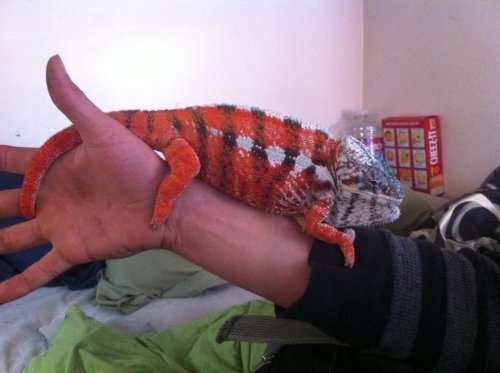
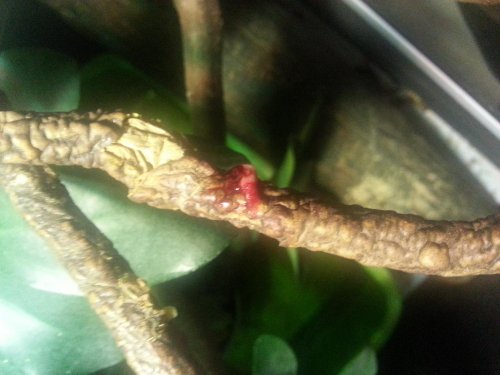
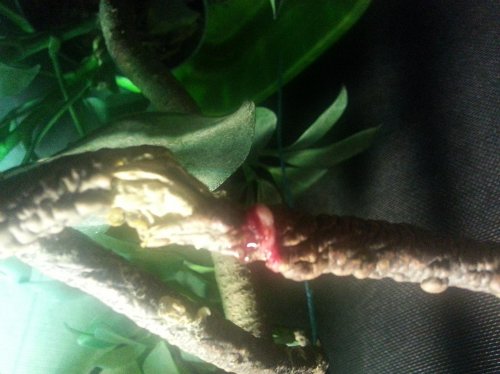
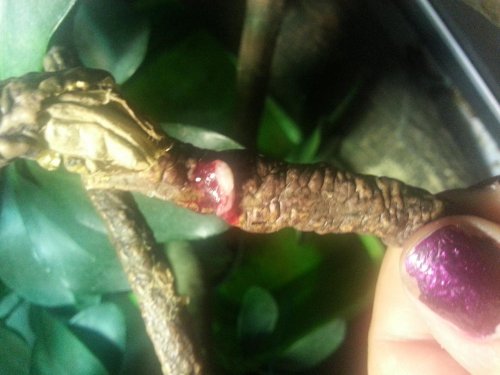

 i already looked him over he seems fine eats runs around still the same just saw that this morning and it worried me :/


