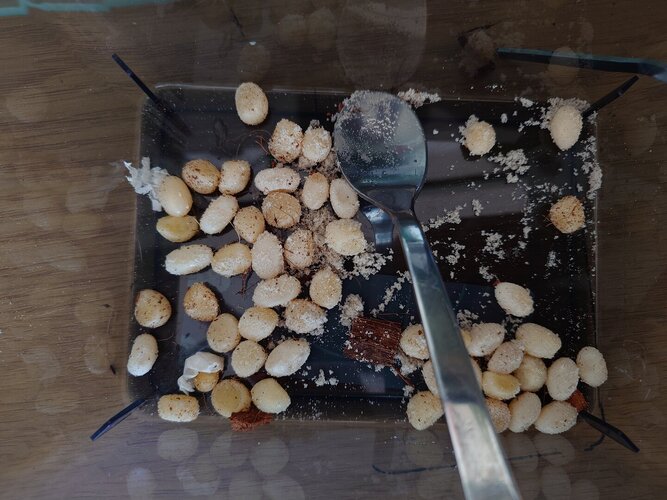
She made it. 51 eggs. And she's done. Back on top of enclosure. Damn. I placed her food with calcium and let's hope she eats
Yes!!!! Amazing girl!! I'd still suggest x-rays to make sure she got them all out, and to make sure she's not got other things going on, which she might. Bloodwork wouldn't be a terrible idea if finances allow. I'd be worried about things like MBD, gout, or possibly parasites. Also those lumps on her hips are concerning but I'm wondering if it's calcium buildup from lack of proper UBV and supplements. I think
@Ghostbirb had odd bumps on her cham for a while until husbandry was corrected.
For your question about how long they can go without eating - easily days, and even a week or two isn't unheard of. They can go on hunger strikes if you're offering foods they don't like. Remember, reptiles' metabolisms are MUCH slower than mammals and they can weather a dearth of food for much, much longer than we can. The bigger concern is if she stops drinking.
Now that the egg crisis is over, you can really start honing in the husbandry for her. For example, superworms/waxworms are not good staple feeders - they're super fatty, have very little nutritional value, and are like candy. You want to feed your cham staples such as dubia or discoid roaches, silkworms, black soldier fly larvae (I think they're also known as nutri-grubs), crickets, hornworms for hydration if you want to, and superworms ONLY as a treat.
For an adult female feeding schedule, you want to focus on two things: Minimum food such that she's healthy, but not so over-fed that she produces tons of eggs. 3-4 smallish feeders, about 3x a week is plenty. For my adult chameleon, I feed him Tues/Thurs/Sat and might give him a treat on one of his off days. You also want to keep her basking temperature no higher than about 27C. What that does is it keeps her metabolism a little slower too. That combo tells her body "Don't produce so many eggs! That's too harsh on internal resources and it's better for our well-being to produce as few eggs as possible, especially because you don't have a mate." That'll help her live much longer, and in a much healthier way.
Please follow the feedback that
@Beman gave you on the first page. The correct (UVB) lights, plants, sticks, heat, feeder gutloading, and feeders will give her a wonderful life.
And of course, we're all here to help! I LOVE that you were able to get her that lay box in time. You've helped her so so so much and I know you'll continue to do so. <3



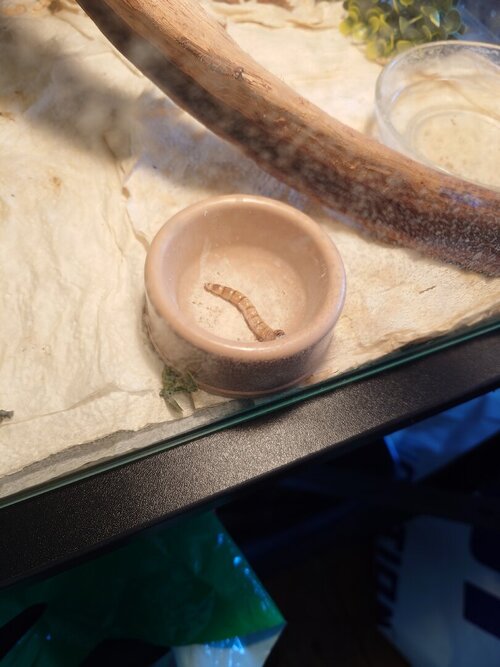
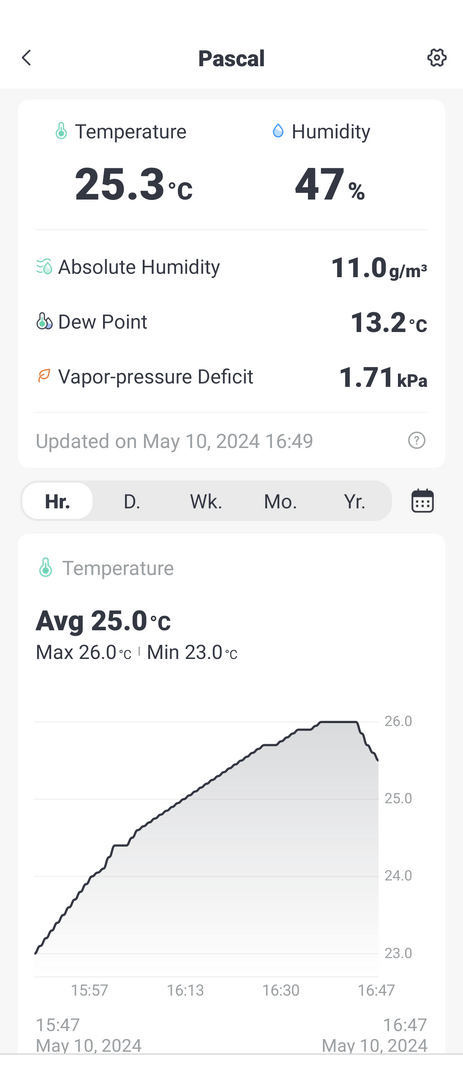


 scared and fearful as hell here lol...